
Founding Attorney
How to Handle US Customs Seizures at Port Miami: Expert Legal Guide for Customs Seizure Legal Assistance Miami
By Davy Karkason Esq. ACIarb, Transnational Matters — your guide to US customs seizures at Port Miami.
Navigating the complexities of US customs seizures at Port Miami can be daunting. Both individuals and businesses in international trade feel the pressure. Moreover, CBP may seize cargo for various reasons, including violations of customs laws or regulations. Furthermore, understanding the legal frameworks governing these seizures is critical for safeguarding your rights and belongings. This article provides a comprehensive guide on handling cargo seizures. It covers essential legal rights, potential appeals, and practical steps to take after an incident. We will cover the role of US Customs and Border Protection and the appeals process. We also outline proactive measures that prevent seizures. By the end of this article, readers will gain valuable insights into managing customs enforcement challenges effectively.
What Are US Customs Seizures at Port Miami and Which Laws Govern Them?
Seizures at Port Miami occur when customs authorities detain cargo over regulatory infractions. Common triggers include incorrect documentation, prohibited items, or smuggling. In addition, federal laws and regulations authorize these actions. They empower US Customs and Border Protection (CBP) to enforce compliance at ports of entry. Therefore, understanding the legalities surrounding customs seizures can help individuals and businesses defend against unwarranted actions.
What Role Does Customs and Border Protection Play in Cargo Seizures?
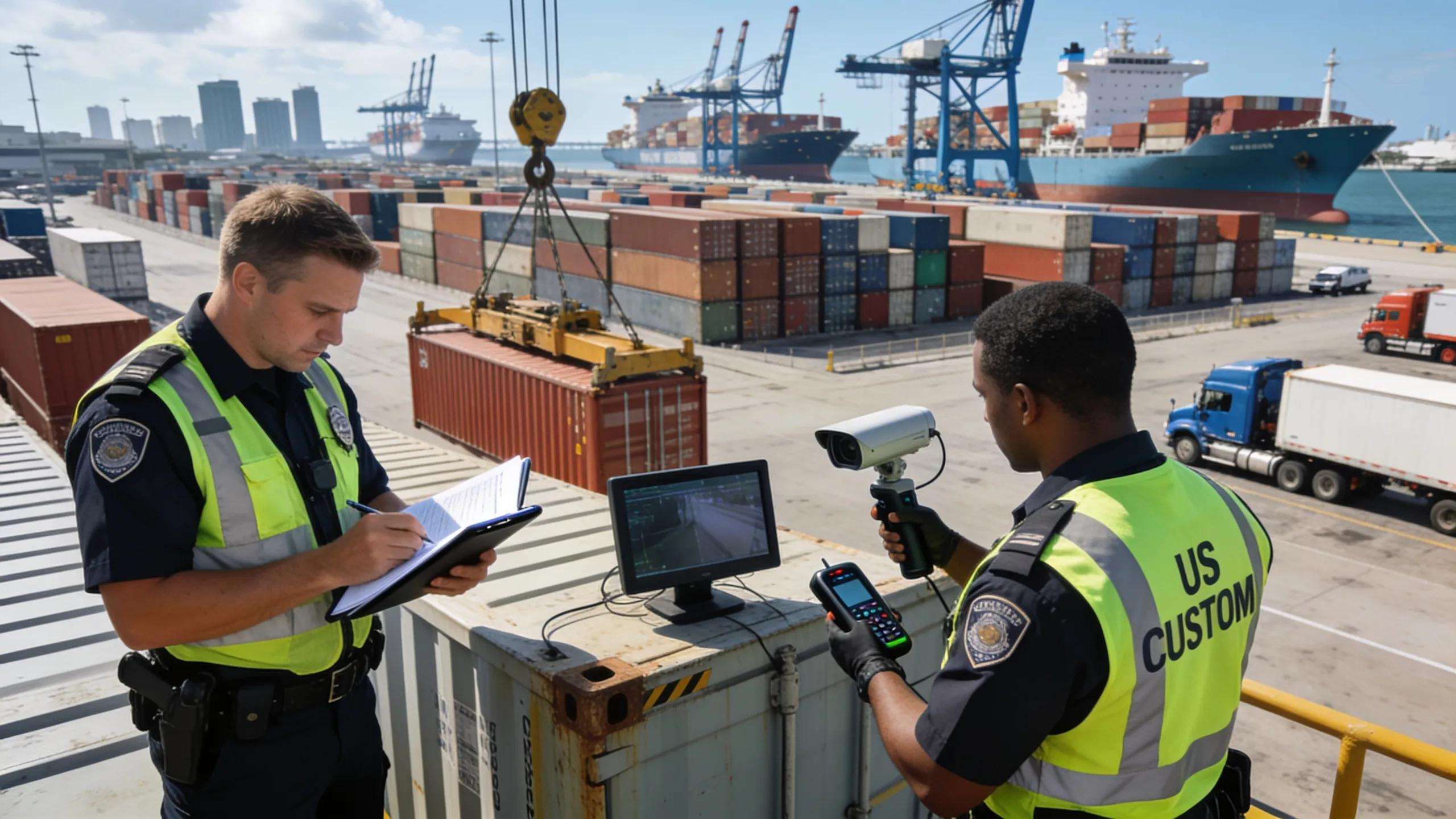
US Customs and Border Protection plays a vital role in enforcing customs regulations at ports like Miami. For example, their responsibilities include monitoring incoming cargo, inspecting goods for compliance with US law, and taking enforcement actions against infractions. For instance, the agency conducts routine inspections and can seize goods that violate trade laws. This protects the safety and security of American trade.
Which Legal Frameworks and Regulations Apply to Customs Seizures?
Legal frameworks governing customs seizures include federal statutes, administrative regulations, and international trade agreements. Consequently, these regulations delineate the procedures for enforcement actions, rights of importers and exporters, and potential penalties for violations. Familiarity with For more on this area of law, explore our related guidance and the U.S. Customs and Border Protection resources.
When cargo is detained at Port Miami, the response deadlines under CBP procedures arrive quickly. If you are weighing representation, our guide to choosing the right import-export lawyer covers what to look for. Contact our team to discuss your options for petitioning a seizure and pursuing release of your merchandise.

