
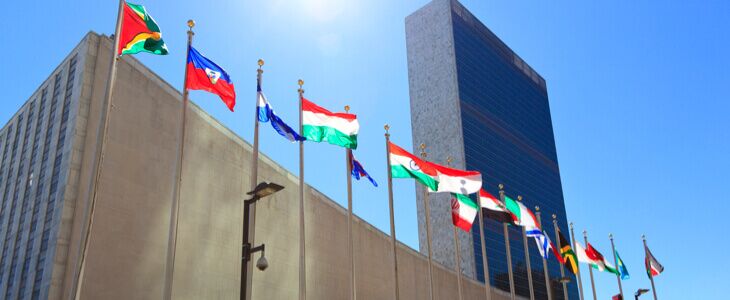
International litigation is what happens when a cross-border dispute lands in a national court — usually because there is no arbitration clause, because provisional relief is needed fast, or because the other side sued first. We represent foreign and U.S. businesses in federal and Florida courts, with matters coordinated in other U.S. districts where appropriate. The work is defined less by subject matter than by five recurring battlegrounds.
The Five Battlegrounds of International Litigation
1. Jurisdiction — can this court hear it?
Personal jurisdiction over foreign defendants, forum non conveniens, and forum-selection clauses decide more international cases than the merits do. The fight over where often is the fight.
2. Service abroad
Serving a defendant in another country typically runs through the Hague Service Convention where it applies, or letters rogatory and alternative means where it does not. Done wrong, it can undo a judgment years later.
3. Evidence across borders
U.S. discovery reaches foreign disputes in both directions — including 28 U.S.C. § 1782, which can make U.S.-style discovery available in aid of foreign proceedings, subject to the courts’ discretionary factors. Blocking statutes and data-protection laws complicate the reverse path.
4. Parallel proceedings
The same dispute often runs in two countries at once. Anti-suit considerations, comity, and race-to-judgment dynamics require a coordinated strategy, not two separate cases.
5. Recognition and enforcement
A foreign judgment is only as good as its recognition where the assets are. Florida’s foreign-judgment recognition framework and the New York Convention (for arbitral awards) each have their own requirements and defenses — and sovereign defendants add immunity from execution: see our FSIA page.
Focused Practice Pages
Depending on the dispute, see: civil RICO, commercial fraud and asset recovery, joint-venture disputes, conflict of laws, cross-border IP disputes, government seizures, and white-collar matters. For disputes headed to arbitration instead, start at the international arbitration hub.
Sued — or need to sue — across a border? The first two weeks decide jurisdiction, service, and preservation. Contact our office before positions harden.
Attorney advertising. General information only, not legal advice. © Transnational Matters PLLC.