
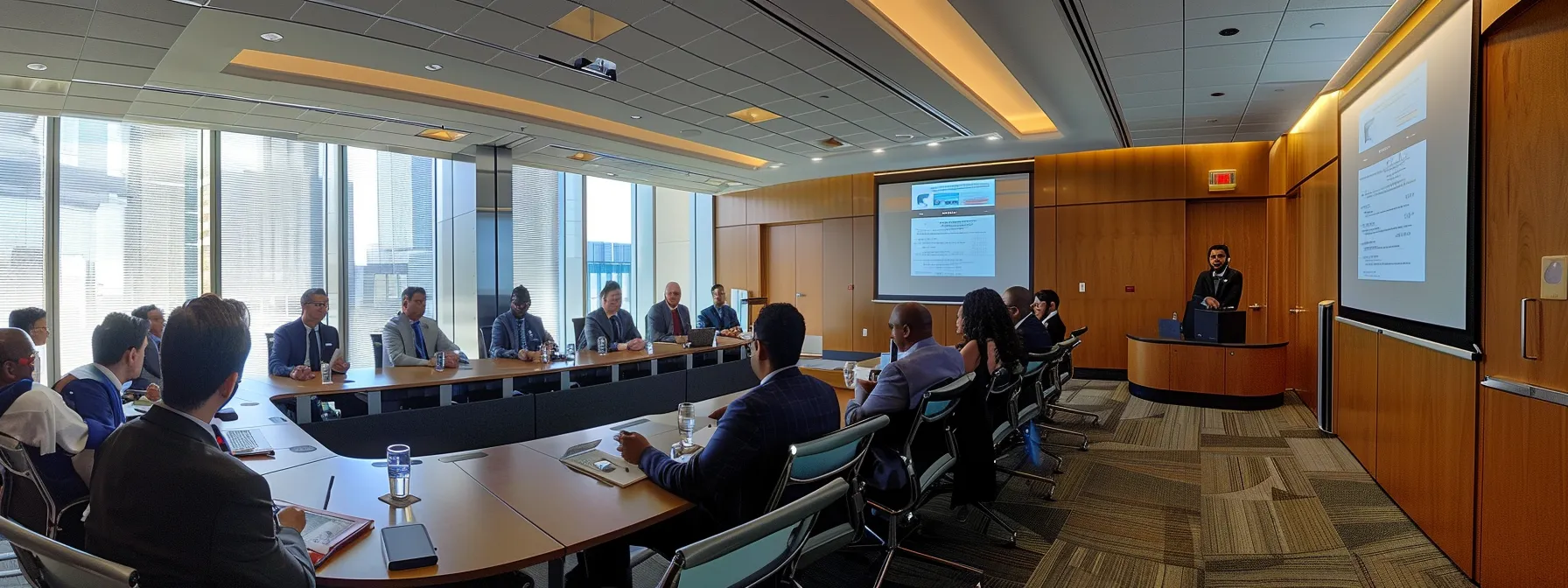
Oil and Gas Dispute Lawyer for the Global Gas Industry
Gas projects span decades, cross borders, and depend on prices that never sit still. When a counterparty defaults or a government changes the fiscal terms, an experienced oil and gas dispute lawyer protects the value you have built. Transnational Matters PLLC represents producers, traders, and investors across the natural gas and LNG value chain.
Our practice covers upstream, midstream, and downstream disputes. In addition, we bring investment treaty experience that most commercial firms lack, which matters when the counterparty is a state or a national oil company.
Disputes Your Oil and Gas Dispute Lawyer Handles
- LNG sale and purchase agreement (SPA) disputes and price reviews
- Joint operating agreement (JOA) and farm-out disagreements
- Pipeline transit, capacity, and tariff conflicts
- Production sharing contract disputes with host governments
- Take-or-pay and supply shortfall claims
- Investor-state claims for expropriation or unfair treatment
Gas price review arbitrations, for instance, demand both legal skill and market analysis. Similarly, transit disputes require an understanding of the treaties and protocols that govern cross-border infrastructure. We build our case strategy on both.
Why Choose Transnational Matters for Gas Disputes
Many disputes in the gas industry end up before ICSID, ICC, or UNCITRAL tribunals. Our team lives in that world. Moreover, we understand how sanctions and export controls increasingly shape gas trading; see our guide on sanctions and export controls in international contracts.
If a state actor has interfered with your gas investment, treaty remedies may be available. Our overview of the ICSID arbitration process explains how these claims work.
Common Scenarios an Oil and Gas Dispute Lawyer Resolves
A long-term LNG buyer invokes a price review, claiming the contract price has drifted far from market; hundreds of millions turn on formula language drafted a decade ago. A pipeline transit state raises tariffs mid-contract and threatens to divert volumes. A national oil company declares force majeure that looks more political than physical. These disputes reward parties who prepare early and understand both the contracts and the market data behind them.
Gas disputes also move on commercial clocks: cargo schedules, storage limits, and seasonal demand do not wait for tribunals. Consequently, we pursue interim relief and structured negotiations in parallel with the main proceedings whenever it protects your position.
How Your Oil and Gas Dispute Lawyer Handles Your Case
Every engagement starts with a confidential consultation. We assess your contracts, your treaty position, and your commercial goals before recommending a path. In gas matters, we pair legal analysis with pricing and market experts from the start, because tribunals in price reviews expect rigorous economic evidence.
- Case assessment: we map your legal rights, evidence, and realistic recovery within the first weeks.
- Forum strategy: arbitration, litigation, or structured negotiation — we choose the venue where you hold the most leverage.
- Building the record: we work with industry experts to convert files and correspondence into persuasive evidence.
- Resolution and enforcement: we push for early settlement from a position of strength, and when a fight is necessary, we take it through award and collection.
An Experienced Oil and Gas Dispute Lawyer in Miami
Transnational Matters PLLC is led by founding attorney Davy Karkason, Esq., ACIArb, a member of the Chartered Institute of Arbitrators who concentrates on international arbitration and investor-state dispute settlement. From our Miami base — the commercial gateway of the Americas — we represent clients in proceedings and negotiations across four continents, working in coordination with local counsel where the matter requires it. When you need an oil and gas dispute lawyer who understands both the industry and the tribunal, that combination is exactly what this firm was built to provide.
Who Our Oil and Gas Dispute Lawyer Team Represents
We act across the gas value chain, from wellhead to burner tip, for companies of every size.
- LNG producers, buyers, and portfolio traders
- Pipeline owners and transit operators
- Exploration and production companies
- Gas-fired power generators
- Commodity trading houses and financiers
Gas disputes often carry relationship consequences — today’s adversary is next year’s counterparty. Accordingly, we calibrate aggression to your commercial reality, winning the dispute without burning the market — the balance an oil and gas dispute lawyer must strike.
Oil and Gas Dispute Lawyer FAQs
What triggers a gas price review arbitration?
Most long-term gas and LNG contracts contain review clauses allowing either party to demand renegotiation when market conditions change beyond agreed thresholds. When negotiation fails within the contractual window, the clause typically sends the dispute to arbitration, where the tribunal adjusts the price formula.
Can I recover take-or-pay shortfalls from a defaulting buyer?
Generally yes, subject to the contract’s make-up rights and mitigation language. Tribunals routinely enforce take-or-pay obligations, and your oil and gas dispute lawyer should also examine parent guarantees and letters of credit that secure payment.
What if a government nationalizes gas assets or rewrites fiscal terms?
Production sharing contracts and investment treaties both provide remedies. Compensation claims for expropriation or breach of stabilization commitments proceed before ICSID or UNCITRAL tribunals, and awards are enforceable against state assets in many jurisdictions.
Which arbitration rules govern LNG disputes?
Most LNG sale and purchase agreements select ICC, LCIA, or SIAC rules with a neutral seat such as London, Paris, Singapore, or New York. The chosen seat controls court support and challenge rights, so we review these clauses before disputes arise whenever possible.
How do sanctions affect my existing gas contracts?
Sanctions can block payments, prohibit performance, or trigger force majeure and termination clauses. The analysis is fact-specific and moves quickly; our trade practice tracks OFAC and EU measures and builds compliant performance or exit strategies.
Our counterparty declared force majeure. How do we test it?
Force majeure clauses are narrower than parties assume. We examine causation, mitigation efforts, and notice compliance — and whether the event genuinely prevented performance or merely made it less profitable, which rarely qualifies.
Can gas disputes settle through structured renegotiation instead of arbitration?
Frequently, yes. Price reviews in particular settle once expert analyses converge. Preparing as if for hearing is what produces those settlements; unprepared parties pay for peace.
Speak With Our Team Today
Your project deserves counsel that understands both the industry and the law. Contact our Miami office for a confidential consultation with a oil and gas dispute lawyer, or send us a secure inquiry through our contact page. We represent clients across the Americas, Europe, the Middle East, and Asia.
Beyond LNG, the upstream oil documents generate their own disputes: production-sharing contracts where cost-recovery audits turn adversarial, joint operating agreements where non-consent and default provisions decide who pays for a dry hole, and crude offtake agreements where pricing formulas break in volatile markets. Whether those fights belong in commercial arbitration under the contract or become treaty claims against the host state depends on who took the harmful action — a distinction our investment-protection practice exists to draw.
