
Founding Attorney
Sanctions Laws Compliance and Export Control Regulations in International Commercial Contracts: Expert Guidance for Navigating Global Trade Restrictions
By Davy Karkason Esq. ACIarb, Transnational Matters — your guide to sanctions and export controls for businesses engaged in international commerce.
Navigating the complexities of international commercial contracts requires a thorough understanding of sanctions laws and export control regulations. Moreover, as global trade continues to expand, organizations face increasing scrutiny regarding compliance with these legal frameworks. Furthermore, This article will explore the nuances of sanctions compliance and export controls, providing a vital resource for multinational corporations. Readers will learn about the implications of non-compliance, strategies for effective risk management, and best practices for integrating compliance clauses into contracts. Furthermore, the role of expert legal guidance in navigating these issues will be examined, helping businesses mitigate potential legal and financial risks effectively.
Compliance with Sanctions and Export Controls
Sanctions laws are regulations imposed by governments or international bodies that restrict trade and economic activity with specific countries, entities, or individuals. In addition, compliance with these laws is essential for companies engaged in international transactions, as violations can result in severe penalties, including fines and restrictions on future operations. Therefore, It is critical to understand the implications of sanctions, recognize restricted countries and entities, and be aware of the compliance risks associated with non-adherence. Failure to comply can not only result in hefty financial penalties but also damage a company’s reputation and operational viability.
Organizations must stay informed about the latest sanctions updates from regulatory bodies to prevent violations. For example, Transnational Matters PLLC specializes in providing advisory services that help firms navigate these complex legal landscapes, ensuring they maintain compliance with the most up-to-date sanctions regulations.
Understanding Sanctions and Export Controls Regulations
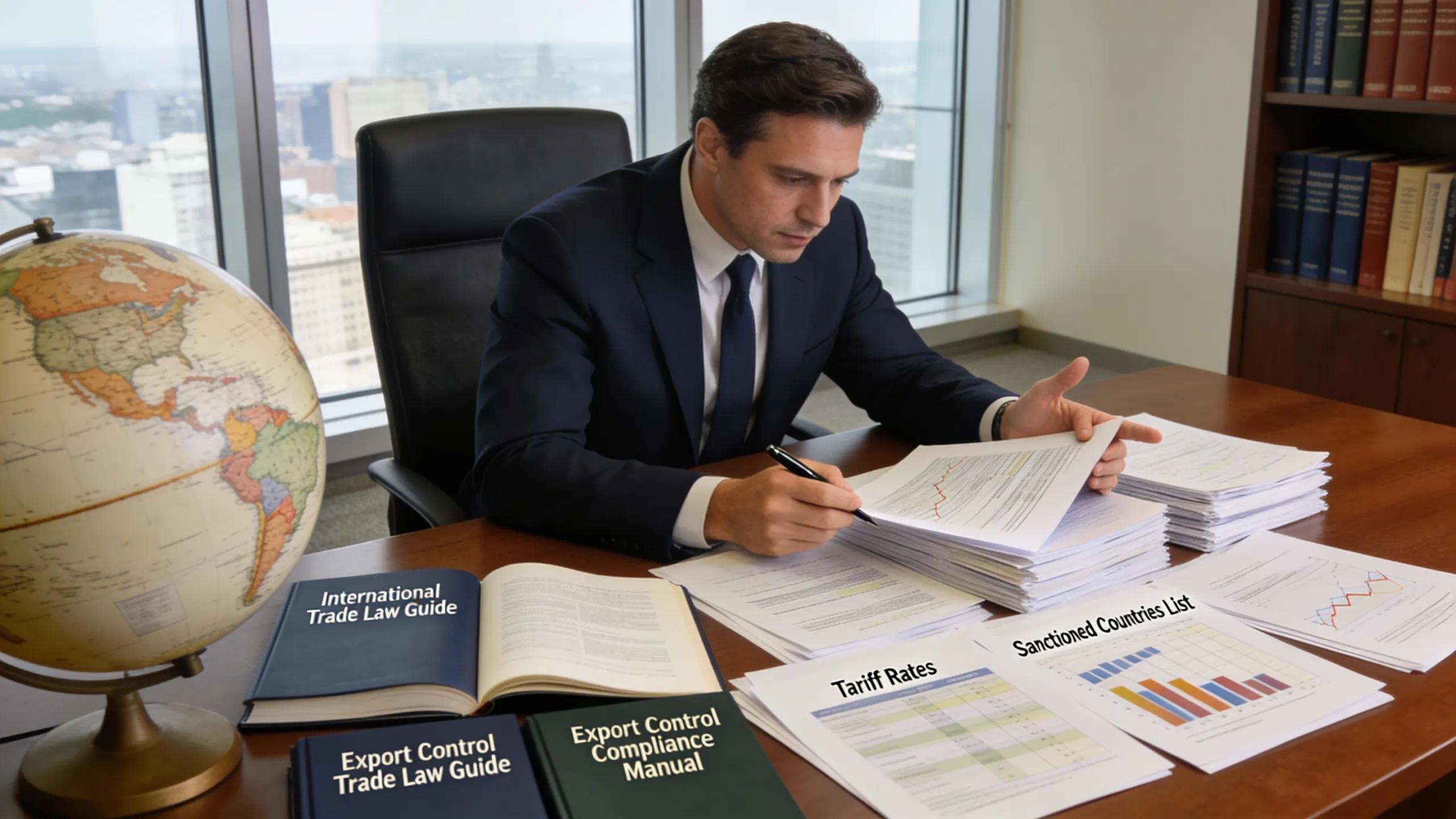
Export control regulations govern the transfer of goods, technology, and services across borders to protect national security interests and prevent the proliferation of sensitive technologies. For instance, understanding these regulations is crucial for multinational businesses to ensure compliance when engaging in international trade. Consequently, Obtaining the necessary licenses for export is a fundamental requirement that organizations must adhere to. Non-compliance can lead to legal ramifications, including potential civil and criminal charges.
Legal experts play a vital role in helping companies monitor regulatory changes and develop compliance programs tailored to their specific operations. As a result, Through comprehensive legal guidance, businesses can achieve a clear understanding of their obligations under various jurisdictions’ export control laws.
Expert Guidance on Sanctions and Export Controls
Engaging with legal experts familiar with international commercial law is crucial for navigating the intricacies of sanctions and export controls. Additionally, these professionals assess risks associated with non-compliance and develop tailored compliance strategies to mitigate potential legal pitfalls. Similarly, businesses can benefit from expert services such as conducting compliance audits, developing internal protocols, and providing training to employees on relevant regulations.
Having an expert on hand also aids in the implementation of effective compliance programs. This guidance ensures that the organization is proactive in identifying potential compliance risks, ultimately leading to better management of foreign trade operations.
Best Practices for Sanctions and Export Controls Compliance

To ensure compliance with sanctions laws and export control regulations, organizations should adopt a series of best practices. Indeed, these strategies not only help mitigate legal risks but also enhance overall operational efficiency. Some key practices include:
- Conducting Thorough Due Diligence: Regularly review operations and business relationships to ensure compliance with sanctions and export laws.
- Implementing Comprehensive Compliance Programs: Establish clear internal policies and procedures that employees can follow to ensure compliance.
- Staying Informed on Regulatory Updates: Regularly monitor changes in laws and regulations that could impact business operations.
Employing these best practices can significantly reduce the risk of compliance violations and the associated financial penalties that may follow.
EAV Compliance Strategies
Different strategies for compliance can be evaluated based on their effectiveness across jurisdictions, as shown in the table below:
This table illustrates how various compliance strategies can aid organizations in navigating the complex landscape of sanctions and export laws.
Navigating Trade Compliance and Sanctions: Transnational Matters
The legal frameworks governing sanctions and export controls are multifaceted, comprising various international treaties, national laws, and the roles of regulatory bodies. Specifically, key bodies such as the United Nations Security Council (UNSC) and the U.S. Office of Foreign Assets Control (OFAC) play pivotal roles in enforcing sanctions. Likewise, It is essential for businesses operating internationally to understand these frameworks and the obligations they impose.
Organizations must ensure their contracts account for these legal variables, as non-compliance with these frameworks can have severe repercussions, including criminal sanctions and additional regulatory scrutiny.
Managing Sanctions and Export Controls Risks
In managing risks associated with sanctions and export controls, businesses should focus on several core strategies:
- Risk Diversification: Engaging with a broad supplier base can mitigate risks related to specific jurisdictions.
- Supplier and Market Variation: Establishing relationships across different markets reduces dependency on any single source.
- Legal Recourse Strategy: Prepare for potential sanctions violations by outlining legal recourse options in contracts.
This proactive approach enables organizations to navigate compliance challenges more effectively, reducing exposure to significant legal risks.
What Are the Key International Sanctions Regimes Affecting Cross-Border Contracts?
Key international sanctions regimes include those imposed by the United Nations, the European Union, and individual countries like the United States. Finally, these regimes target various nations and entities and vary significantly in their scope and enforcement mechanisms. Moreover, understanding each regime’s specifics is crucial for businesses operating across borders.
Compliance with these sanctions ensures that organizations avoid potential penalties and maintain operational integrity in international markets.
Which Regulatory Bodies Enforce Sanctions in Global Trade?
Several regulatory bodies enforce sanctions, each with distinct roles and capabilities:
- United Nations Security Council (UNSC): Imposes sanctions on countries concerning international peace and security.
- Office of Foreign Assets Control (OFAC): Manages and enforces economic and trade sanctions against targeted foreign countries and regimes.
- European Union (EU): Develops sanctions policies impacting member states and trade partners.
Understanding each body’s role can inform companies’ compliance strategies and operational decisions.
How Do Different Sanctions Regimes Impact Multinational Corporations?
Sanctions regimes can impose significant operational disruptions for multinational corporations. Furthermore, compliance requirements can increase costs and complicate supply chain logistics. In addition, companies must navigate these challenges while adapting to diverse regulatory landscapes across jurisdictions.
Furthermore, sanctions can result in financial burdens, pushing organizations to reassess market engagement and strategic partnerships carefully.
How Do Export Control Laws Vary by Jurisdiction and Affect International Trade?
Export control laws vary by jurisdiction, presenting unique challenges for businesses involved in international trade. Therefore, different countries impose different regulations regarding goods and technology and can have varying compliance requirements.
Consequently, firms must be prepared to adapt their operations and compliance programs to align with the jurisdictions they operate in. For example, This adaptability enhances their capability to manage international trade risks effectively.
What Are the Core Elements of Export Control Regulations Like EAR and ITAR?
The Export Administration Regulations (EAR) and the International Traffic in Arms Regulations (ITAR) are two critical components of the U.S. export control framework. For instance, they govern how technical data and defense-related products are handled across borders.
Some core elements of these regulations include:
- Licensing requirements: Before exporting controlled items, businesses must secure the appropriate licenses.
- Penalties for non-compliance: Violations can lead to severe monetary penalties and loss of export privileges.
Companies should ensure their contracts reflect compliance obligations regarding these regulations to mitigate potential risks.
How Should Businesses Manage Compliance Risks Under Differing Jurisdictional Export Controls?
Businesses should employ several strategies to manage compliance risks effectively:
- Engaging Legal Experts: Having specialists on hand to navigate varying jurisdictional requirements helps mitigate risks.
- Conducting Regular Audits: Periodic audits ensure ongoing compliance and help identify areas requiring improvement.
- Monitoring Regulatory Changes: Staying informed about changes at the national and international levels is crucial for compliance.
These proactive measures ensure that businesses can align their operations with the requirements of diverse jurisdictions effectively.
What Contractual Clauses Ensure Effective Sanctions and Export Compliance in Trade Agreements?
Incorporating specific contractual clauses can ensure effective sanctions and export compliance in trade agreements. Key clauses to consider include:
- Compliance Obligations: Clearly outline sanctions and export control compliance responsibilities.
- Indemnification Provisions: Protect against losses resulting from breaches of compliance obligations.
- Monitoring and Reporting Mechanisms: Establish protocols for regular monitoring and reporting on compliance status.
Incorporating these clauses helps safeguard businesses from unexpected legal consequences in international trade.
Which Sanctions Compliance Clauses Protect Against Regulatory Penalties?
Sanctions compliance clauses are crucial for protecting against regulatory penalties. For example:
- Due Diligence Requirements: Ensure that all parties engaged in the transaction comply with current sanctions.
- Termination Rights: Clarify conditions under which contracts can be terminated in response to compliance violations.
By robustly defining these clauses, organizations can create a safety net against the pitfalls of non-compliance.
How Can Export Control Provisions Be Integrated to Mitigate Cross-Border Risks?
Integrating export control provisions into contracts is essential for mitigating cross-border risks. Examples include:
- Compliance Clauses: Define specific export control responsibilities in contracts across jurisdictions.
- Indemnification Provisions: Protect organizations from losses associated with non-compliance.
- Termination Rights: Clearly establish the ability to terminate agreements in cases of regulatory non-compliance.
This strategic integration ensures that businesses are adequately protected against the complexities of international export regulations.
How Are Disputes Arising from Sanctions Violations and Export Control Breaches Resolved?
Disputes resulting from sanctions violations and export control breaches often require specialized resolution mechanisms. Consequently, the choice of resolution can significantly impact the outcomes for affected parties.
Businesses may utilize various methods, including negotiation, litigation, or arbitration, depending on the severity of the dispute and the contractual agreements in place.
What Role Does International Arbitration Play in Sanctions-Related Commercial Disputes?
International arbitration is a favored method of resolving disputes arising from sanctions-related issues. It offers several advantages, such as:
- Neutral Venue: Arbitration often takes place in a neutral location, reducing biases that may exist in local courts.
- Enforcement of Awards: Arbitration awards are generally recognized internationally under the New York Convention, facilitating enforcement across jurisdictions.
These benefits make arbitration a practical choice for resolving disputes in international commercial contracts involving sanctions.
Which Strategies Help Multinational Corporations Address Legal Risks in Cross-Border Disputes?
Multinational corporations can adopt various strategies to address legal risks effectively in cross-border disputes:
- Robust Compliance Programs: Establishing strong internal compliance frameworks helps preemptively address disputes.
- Regular Due Diligence: Conducting thorough checks helps identify potential risks before they escalate.
- Transparent Communication with Regulators: Maintaining open lines of communication with regulatory bodies can mitigate compliance risks and strengthen trust.
These strategies collectively enhance a corporation’s ability to navigate the complex landscape of international commercial law effectively. For more on sanctions and export controls, explore our related guidance for global businesses, and consult the Bureau of Industry and Security for official requirements.