

Future Damages or Lost Economic Opportunity Cost in International Arbitration
In international arbitration cases, both parties must be able to accurately assess any future damages or Lost Economic Opportunity Cost incurred. This is not always easy to do and requires careful consideration of the facts and evidence presented. One way to prove future damages or lost economic opportunity costs is by using...
Future Damages or Lost Economic Opportunity Cost in International Arbitration Continue reading…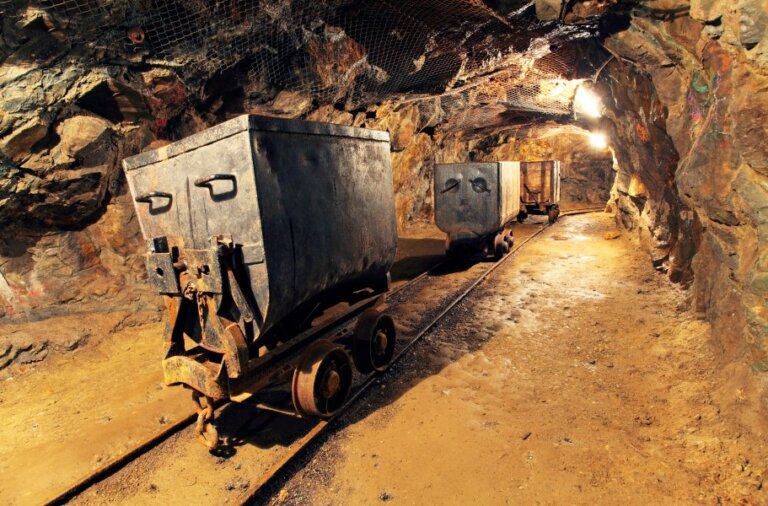
First Quantum Takes Arbitration Against Panama Over Copper Mine Negotiation Dispute
Canadian miner First Quantum Minerals has started arbitration proceedings against the Republic of Panama in response to a government order halting operations at its flagship Cobre Panama copper mine. The dispute began when the government ordered First Quantum to pause operations after failing to meet a deadline for finalizing a deal that...
First Quantum Takes Arbitration Against Panama Over Copper Mine Negotiation Dispute Continue reading…
ICSID: How to File an Action when your assets or concession has been taken away by a State government
The International Centre for Settlement of Investment Disputes (ICSID) is a specialized body established under the Convention on the Settlement of Investment Disputes between States and Nationals of Other States in 1965. It provides international companies with a forum for resolving disputes between them and foreign governments, thereby protecting their investments abroad....
ICSID: How to File an Action when your assets or concession has been taken away by a State government Continue reading…
Understanding jurisdiction in Cross Border Disputes when Claimant is a Dual National
Dual nationality jurisdiction is a critical component of international arbitration and a doctrine currently sparking many debates among legal scholars and arbitrators. It is essential to understand the mechanism of the "predominant test" or the "dominant and effective test" and how it applies to the International Centre for Settlement of Investment...
Understanding jurisdiction in Cross Border Disputes when Claimant is a Dual National Continue reading…
The Impact of the International Chamber of Commerce Award on US-Chinese Biotech Dispute
A pending International Chamber of Commerce (ICC) award could have far-reaching implications for Chinese and U.S.-based biotech companies. The award comes in response to a dispute between two companies, one U.S.-based and the other Chinese, over their joint venture agreement. This case is unique because the ICC has jurisdiction over both parties,...
The Impact of the International Chamber of Commerce Award on US-Chinese Biotech Dispute Continue reading…
NAFTA Tribunal Rejects US Oil and Gas Company’s Claim Against Canada
On April 1st, 2021, a NAFTA tribunal rejected a US oil and gas company's claim against Canada for revoking a fracking permit. The company, Lone Pine Resources Inc., had sought $250 million in damages from the Canadian government following the revocation of an exploratory oil and gas project in Quebec. This case...
NAFTA Tribunal Rejects US Oil and Gas Company’s Claim Against Canada Continue reading…
Understanding the Energy Charter Treaty Withdrawals and How It Affect Investors
The Energy Charter Treaty (ECT) is an international agreement in place since 1994. It fosters energy security and encourages foreign investment in the energy sector. Recently, however, several countries have begun withdrawing from the treaty, leaving many to wonder why this is happening. Let's take a closer look at the reasons behind...
Understanding the Energy Charter Treaty Withdrawals and How It Affect Investors Continue reading…
The International Center for Settlement and Investment Disputes (“ICSID”): Overview
The International Centre for Settlement of Investment Disputes (ICSID) is an international organization that provides a forum for the settlement of investment disputes between governments and foreign investors. The World Bank established it as an autonomous body under its auspices in 1966, and it is now based in Washington D.C. Over 150...
The International Center for Settlement and Investment Disputes (“ICSID”): Overview Continue reading…
Is Price Inflation an Excuse to Not Perform in International Trade & Transaction? An Analysis of Two Important Clauses And Their Outcomes
In providing products in international trade when prices are rising, defendant who is performing the contract can have a defense of impractability. However, what do you do when the price of the contract is fixed during inflation when there is a purchase order or price of the goods was already agreed on?...
Is Price Inflation an Excuse to Not Perform in International Trade & Transaction? An Analysis of Two Important Clauses And Their Outcomes Continue reading…