


Founding Attorney
Trade Sanctions: A Legal Perspective
Trade sanctions, by their very design, act as a formidable instrument of foreign policy, imposing prohibitions that resonate through sectors as diverse as information technology and transport.
These restrictive measures often sow seeds of uncertainty, compelling entities and nations to reassess their international dealings.
With a labyrinth of legal ramifications at play, the need for a foundational understanding of these sanctions becomes paramount.
Professionals and laypersons alike find themselves seeking a reliable FAQ to navigate these tumultuous waters.
Keep reading for an insightful exploration into the world of trade sanctions from a legal vantage point.
Understanding the Legal Complexities of Trade Sanctions
- Trade Sanctions Serve as Instruments to Enforce International Norms and Can Target Specific Individuals, Entities, or Sectors
- Key International Treaties Provide a Legal Framework for Imposing Sanctions, With Entities Like the UN Security Council Playing a Pivotal Role
- The Complexity of Sanctions Requires Businesses to Navigate a Labyrinth of Regulations to Maintain Legal Compliance
- Sanctions Can Disrupt Global Supply Chains, Innovation, and Markets, Necessitating Robust Legal Frameworks to Mitigate Impacts
- Legal Professionals Guide Businesses Through Compliance Requirements and the Ever-Changing Landscape of International Trade Law
The Legal Basis of Trade Sanctions and International Law

Trade sanctions, a formidable tool within the arena of international law, allow nations to assert pressure or punish others for actions perceived as detrimental to international peace or in violation of human rights.
As a critical aspect of global governance, these punitive measures demand a complex legal architecture to ensure their legitimacy and effectiveness.
Standing at the crossroads of law and diplomacy, key international treaties furnish a framework for how states may impose sanctions, often emanating from collective decision-making bodies like the Council of the European Union or the weighty United Nations Security Council.
Corporations embroiled in cross-border exchanges must navigate this labyrinth of regulations or face severe consequences, including legal battles on the stage of an international court of appeal.
The gravity of such measures is matched by their specificity, as the distinction between broader trade embargoes and targeted sanctions becomes a matter of legal definition and purpose.
Whether addressing a corporation’s failure to comply, punishing crimes that shatter the fabric of international norms, or reacting to a state’s default in its international obligations, sanctions remain a powerful expression of multilateral legal order.
Overview of Trade Sanctions in International Law
Trade sanctions in international law serve as instruments of foreign policy and economic pressure that countries deploy to enforce international norms and conduct. Cases such as Venezuela, where sanctions have targeted specific individuals and financial operations, highlight the complexity of these punitive measures. Entities placed on sanction lists, such as the “entity list”, face stringent restrictions that curb their ability to engage internationally, severely affecting any contractual agreements and cross-border trade they may have been a part of.
The enforcement of international law through sanctions is further exemplified by legislative measures like the Foreign Corrupt Practices Act (FCPA), which aims to prevent bribery and ensure ethical conduct across international business operations. This act, alongside trade embargoes imposed on countries like Cuba, underscores international commitment to combating corruption and upholding human rights through legally structured consequences for non-compliance:
Key International Treaties Governing Trade Sanctions
At the heart of international protocols for imposing trade sanctions, treaties such as the United Nations Charter set legal precedents that shape the climate wherein states like China and Germany must operate. This foundational treaty, among others, influences the landscape of how sanctions are applied, ensuring states’ actions remain under the scrutiny of international law and its principles of accessibility and equality.
Within this framework, the World Trade Organization (WTO) also figures prominently by providing data-driven insights to member countries in evaluating whether trade sanctions comply with global standards. The inclusion of China and Germany, as significant trade powers within this body, reflects the evolving dynamic of international commerce and the critical need for accessible guidelines when determining the legal imposition of sanctions.
Understanding the Role of the United Nations Security Council
In their capacity as a paramount body for global governance, the United Nations Security Council bears the responsibility of affirming trade sanctions that often set precedent for international legal measures. Their resolutions, binding upon all member states, play a pivotal role, particularly when they relate to sensitive issues addressed by groups like the Nuclear Suppliers Group, orchestrating a collective response to nuclear non-profilation.
As international law evolves, the decisions of the Security Council directly impact policies in a breadth of sectors, from private equity to banking, mandating a close watch by entities ranging from law firms to financial institutes. This includes adherence to regulations such as the Bank Secrecy Act, ensuring that financial operations remain transparent and within the bounds set by the council’s rigorous enforcement of sanctions.
The Distinction Between Embargoes and Sanctions
In the realm of international trade law, distinctions between embargoes and sanctions are pivotal, particularly in their impact on foreign direct investment. While an embargo refers to a comprehensive prohibition on the transfer of goods and services to a particular nation, a trade sanction typically targets specific individuals, entities, or sectors to enforce economic justice and compliance with international standards.
In response to concerns such as smuggling or human rights violations, Pakistan might face trade sanctions aimed at curtailing these activities without entirely halting the flow of trade and investment. This targeted approach allows the international community to apply pressure where needed while minimizing broader economic distress that can arise from full-scale embargoes.
- Trade sanctions serve as an adaptable instrument for addressing specific infractions like smuggling or financial misconduct.
- Embargoes impose broad restrictions impacting entire economies, potentially affecting foreign direct investment and the availability of essential goods.
- Sanctions in Pakistan demonstrate the global commitment to uphold economic and social justice through measured punitive actions.
How Governments Implement Trade Sanctions Legally

The orchestration of trade sanctions involves a meticulous process that intertwines with a country’s legal system and its international commitments.
Outlining the steps in the legal implementation of sanctions unfolds a pathway beginning with legislative frameworks, leading to the intricate workings of entities like the internal revenue service and customs authorities.
These bodies harmonize risk management tactics and legal provisions to ensure the seamless application of international sanctions domestically.
Coupled with national laws, countries must weigh their international obligations, carefully navigating the two often-parallel jurisdictions.
Norway, as an example, illustrates the careful balance nation-states must achieve between international law adherence and upholding their own legal codes.
Enforcement mechanisms vary, with countries employing different tools to maintain compliance, including measures targeting debtor entities that may sidestep sanctions.
At the same time, businesses affected by sanctions often seek legal recourse, amplifying the necessity for clear guidelines and transparent processes to resolve conflicts arising from these economic barriers.
Steps in the Legal Implementation of Sanctions
In the initial phase of legal implementation, a government must assess the equity and public interest outcomes of imposing sanctions, taking into account the potential ripple effects on commerce and the republic’s broader economic interests. Careful consideration is given to the targeted sector’s nexus with national security, especially if military resources or sensitive technologies are implicated.
Following the evaluation, the responsible authorities, often in conjunction with agencies like the Nuclear Regulatory Commission, formulate specific enforcement protocols. These protocols ensure that any sanctions related to nuclear materials, for example, are applied coherently across all levels of law, maintaining the integrity of the international legal framework while supporting domestic legal structures.
National Laws vs. International Obligations
National laws and international obligations often operate in tandem, yet they can diverge significantly, especially when it comes to the enforcement of sanctions. The Committee on Foreign Investment in the United States (CFIUS) exemplifies a governmental body that scrutinizes foreign involvement in critically sensitive sectors, such as market and manufacturing, to ensure national interests align with international commitments.
In tandem with the protocols of the Biological Weapons Convention, Canada’s stringent domestic regulations address the complexity of biotechnological advances in manufacturing and the market. While upholding global standards to prevent biological threats, Canada must balance adherence to this convention with enforcing its national laws, which can occasionally present challenging contradictions.
Enforcement Mechanisms Used by Countries
Enforcement mechanisms vary widely among countries, shaped by their unique legal contexts and economic considerations. The international law firm Baker McKenzie often represents clients entangled in disputes concerning the cross-border reach of such sanctions, illustrating the legal complexities for businesses operating on a global scale.
Countries like Hong Kong have established jurisdictions that empower local courts to adjudicate cases with elements of extraterritoriality, thereby affecting international parties and reverberating through the global economy. These legal forays into extraterritorial enforcement underscore the far-reaching impact of national policies on international commerce.
li>Courts in Hong Kong assert authority over extraterritorial cases impacting international markets.
- Baker McKenzie navigates legal intricacies for global businesses affected by trade sanctions.
- The robust enforcement of trade sanctions by individual nations influences the broader economy.
Legal Recourse for Businesses Affected by Sanctions
When sanctions strike, businesses may find themselves grappling with frozen assets and voided agreements, leading to a scramble for legal redress. Impacted firms may invoke international arbitration to challenge the judgment that resulted in the sanction, seeking relief from the undue burden placed on their bank accounts and ownership stakes.
Should a business’s ability to secure a loan or conduct transactions within North America be impaired by sanctions, legal teams often pursue negotiations with relevant authorities or lawsuit filings to restore financial mobility. Remedies sought can range from court-ordered access to frozen assets to compensation for losses stemming from enforced ownership restrictions.
- Invoking international arbitration to appeal a sanctions-related judgment
- Negotiating with authorities to thaw frozen bank accounts and ownership assets
- Filing lawsuits to reclaim the ability to secure loans and conduct North American transactions
The Impact of Trade Sanctions on Global Commerce
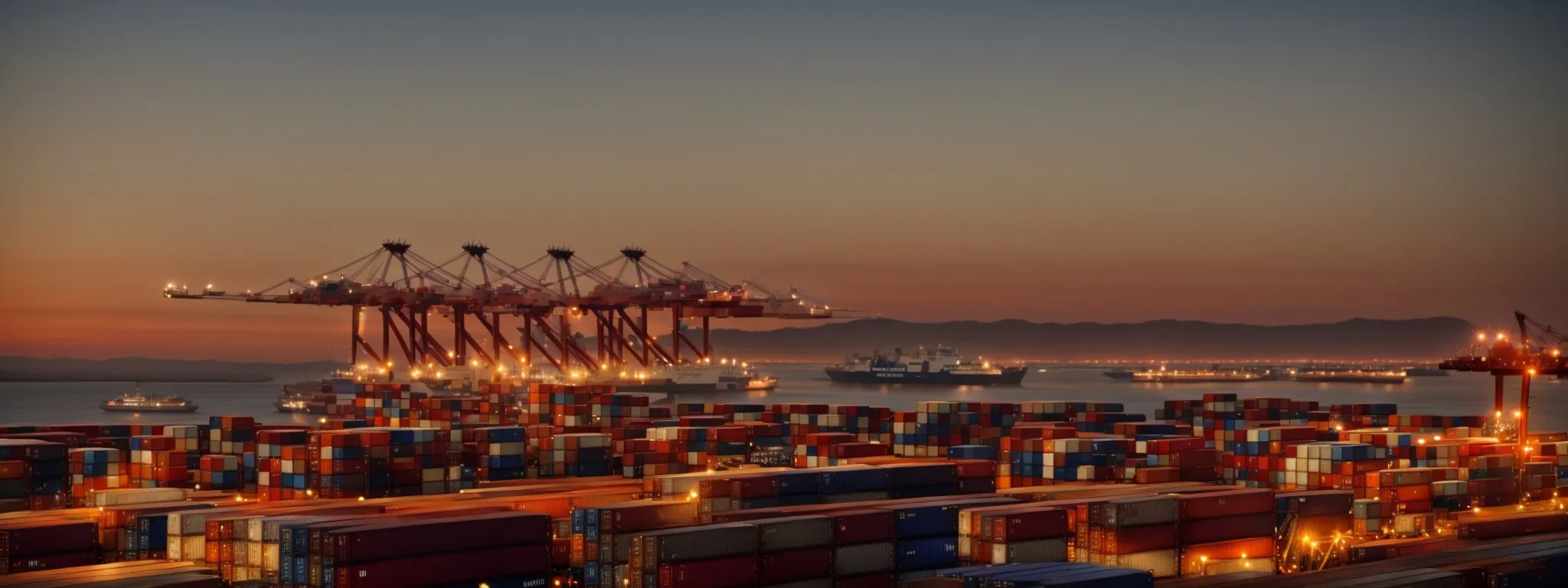
Trade sanctions wield far-reaching impacts that echo through the arteries of global commerce, affecting jurisdictions from local enterprises to multinational corporations.
As nations from the Middle East to Western democracies utilize sanctions as diplomatic and economic tools, the ripple effects on international trade flow become palpable.
Enterprises must adapt their operations to comply with diversified legal landscapes, often receiving guidance from a proactive board of directors that must frequently audit relations and transactions to preclude conflicts with sanction mandates.
Detailed case studies reveal the intricate nature of these impacts, highlighting the disruptions sanctions can cause in global supply chains and the often contentious balancing of economic interests against privacy and humanitarian concerns.
In light of these challenges, a robust legal framework is indispensable for clarifying the obligations and rights of all parties involved in the tangled web of international trade.
Case Studies on the Economic Impact of Sanctions
Amidst the shifting currents of geopolitics, Lebanon’s economy felt the strain of trade sanctions that disrupted its financial systems, leading to an upsurge in tax evasion and a decline in fiscal stability. These adverse effects underscored the intertwined relationship between commerce and political measures taken on the global stage.
In a separate instance, the European Commission diligently examined sanctions placed on a corporation tied to a Ministry of Defence contract, revealing the complexities of adhering to sanction criteria while maintaining the integrity of defense capabilities. This scrutiny highlighted the tightrope walked by governmental agencies as they balance economic interests against the edicts of international law.
Sanctions and Their Effect on International Trade Flow
The imposition of trade sanctions can have a pronounced impact on the flow of technology between nations, stifling innovation and disrupting global markets. When countries like Saudi Arabia are subject to sanctions, the ripple effect can deter the sharing of cutting-edge software and hardware, posing challenges for international trade dynamics.
One pertinent question that arises in the context of sanctions is the extent to which such punitive measures can inadvertently stifle technological advancement across borders. Sanctions may not only impede the immediate exchange of technology but can also deter long-term collaborative efforts crucial for the development of international trade ecosystems.
How Sanctions Influence Global Supply Chains
Global supply chains often reel under the weight of trade sanctions as logistics networks become snarled, complicating the transport of goods and the coherency of supply lines. When an entity in Sweden, for example, is sanctioned, it could lead to a re-routing of supply streams, often at increased costs and operational complexity, impacting the timely delivery of assets across borders.
The Directorate of Defense Trade Controls plays a crucial role in enforcing sanctions that relate to defense articles and services, which can dramatically alter the backbone of global supply chains. Moreover, stringent measures designed to combat money laundering mean that businesses must exert additional diligence to ensure the legitimacy and compliance of their supply chain partners, thus safeguarding their assets from becoming entangled in international legal complications.
Legal Perspectives on Humanitarian Concerns
Trade sanctions, while aiming to impose discipline on nations for noncompliance with international standards, often raise concerns within the sphere of humanitarian implications. The intersection of finance and ethics comes into sharp focus particularly when asset freezing measures impact the availability of basic necessities, such as petroleum, which is essential for both energy and transportation in civilian life.
Moreover, the unintended consequences of sanctioning property owned by sanctioned entities demand judicious balancing against the need to protect human rights. Diligence is required to align the objectives of sanctions with the preservation of humanitarian values, ensuring that punitive economic measures do not inadvertently harm the very populations they are intended to support.
Navigating Compliance With Trade Sanctions

Adhering to trade sanctions requires meticulous vigilance from corporate leadership, involving a thorough understanding of international legislation.
This scrutiny is essential for ensuring corporate governance aligns with the complex legalities of global trade.
For any company dealing with partners in volatile regions, such as Libya, compliance is not a mere legal formality but a crucial pillar of business strategy.
Engaging a specialized lawyer to navigate the intricacies of trade laws becomes indispensable, particularly when a business’s activities span into areas like cloud computing, which often requires adherence to a distinct set of regulatory standards.
Successful navigation of these compliance waters hinges on developing a robust program within legal parameters, carrying out punctilious due diligence on international partners, and being prepared to address the repercussions of legal challenges and penalties.
Key Legal Considerations for Companies
Companies operating on the international stage must regard compliance with trade sanctions as both a legal obligation and a strategic component that may affect their competitive advantage. Ensuring all financial transactions and business operations do not violate sanctions imposed by entities such as the United Nations demands constant vigilance and an updated understanding of the complex web of international regulations.
In industries dealing with high-demand commodities, the thin line between legal trading activities and inadvertent participation in a global boycott can hinge on nuanced contractual language and the partners chosen for engagement. Careful scrutiny of every transaction, particularly those involving sanctioned states or commodities, is imperative to preclude legal liabilities and maintain the integrity of a company’s international presence.
Developing a Compliance Program Within Legal Parameters
In the development of a compliance program that adheres to legal parameters, incorporating a robust tool for monitoring and analyzing transactions related to cargo becomes imperative, particularly when trade with countries under strict scrutiny, like North Korea, is involved. Such a tool aids in preventing inadvertent violations and in earning accolades for corporate governance excellence.
The Bureau of Industry and Security (BIS) sets forth regulations that demand careful interpretation and integration into business operations. Companies engaged in international trade must ensure that their compliance programs can effectively navigate the complexities of such regulatory environments, enabling a proactive approach to sanction adherence.
Conducting Due Diligence on International Partners
In a climate where the European Union rigorously enforces compliance with its foreign policy objectives, conducting thorough due diligence on international partners is not just prudent, it’s a mandated aspect of corporate responsibility. Particularly in Spain, enterprises harnessing artificial intelligence for data analysis are making strides toward more sophisticated and efficient vetting processes for their cross-border partnerships.
This comprehensive evaluation is vital, not only to abide by the stringent requirements of the European Union but to navigate the complexities of defense trade controls. By meticulously scrutinizing the backgrounds, practices, and affiliations of international partners, businesses can ensure alignment with both domestic and foreign policy directives, thus safeguarding against inadvertent legal pitfalls and reinforcing a firm stance on compliance.
Handling Penalties and Legal Challenges
Organizations entangled with the consequences of economic sanctions, including the appearance of their partners on the Specially Designated Nationals and Blocked Persons List, must confront the reality of stringent penalties. Engaging proficient legal counsel proficient in sanctions legislation is paramount, facilitating vital communication to mitigate the repercussions of such infractions and streamline the path to reconciliation.
Should entities inadvertently breach the Missile Technology Control Regime or similar restrictions, the ensuing challenges require decisive action to address potential legal ramifications. Prompt, transparent dialog with regulators and adherence to the letter of international laws may ameliorate the severity of punitive measures and assist in re-establishing compliant business operations.
The Role of Legal Professionals in Trade Sanctions

Amidst the intricacies of international trade sanctions, legal professionals hold the critical responsibility of guiding clients through a labyrinth of compliance requirements and potential risks.
With experience drawn from navigating the legal systems of diverse jurisdictions, such as Austria and France, these experts lend their reputations to ensure that businesses understand and adhere to the multiplicity of global standards.
They provide invaluable representation in the event of litigation related to sanctions while actively contributing to policy discussions and advocating for legal reforms.
By educating businesses on the constantly shifting landscape of legal standards, legal professionals enhance their clients’ strategies for risk management, ensuring a comprehensive understanding of the obligations and limitations imposed by international trade sanctions.
Advising Clients on Compliance and Risks
Legal experts vigilantly advise clients on adhering to an array of global mandates, particularly those arising from executive orders targeting regions like Korea. Firms engaging in the import of goods from Asia find themselves at risk of contravening prohibitions against products tainted by forced labour, necessitating expert guidance to navigate these complex compliance landscapes.
The task of ensuring companies align with mandated legal frameworks extends to counsel on both risks and strategic compliance efforts. Lawyers equipped with specialized knowledge of international directives, including those addressing forced labour in Asia or sanctions imposed via executive order, provide critical advice that shields their clients from inadvertent violations in a market fraught with regulatory intricacies.
Legal Representation in Sanctions-Related Litigation
When legal disputes arise from imposed trade sanctions, the representation by seasoned legal professionals becomes a linchpin for the sustainability of businesses affected by such disputes. Lawyers versed in the nuances of international trade law provide indispensable counsel to companies navigating the choppy waters of litigation, often involving complex geopolitical scenarios like those with Mexico.
Companies embroiled in sanction-related lawsuits benefit from attorneys who can effectively integrate internal control systems and policy adherence into their defense strategy. The legal expertise applied in such cases is pivotal, especially for businesses with trade ties to countries facing heightened scrutiny under sanctions, such as Iraq, where a thorough understanding of specific legal contexts is critical for a successful outcome.
Participating in Policy Discussions and Reforms
Legal professionals wield considerable influence in the evolution of regulation related to trade sanctions by participating in policy discussions that shape reform agendas. Their research-driven contributions ensure that the language of the new legislation is precise, equitable, and reflective of the current economic and political landscapes.
Within these forums, the input of legal experts provides the necessary due diligence that organizations and governments rely upon to update sanction policies. Their insights not only garner them professional credit but also fortify the legal framework by infusing it with clarity and practicality.
Educating Businesses on Evolving Legal Standards
With the labyrinthine nature of contemporary sanctions, legal professionals take on the pivotal role of guiding businesses through the quagmire of regulatory changes. This obligation extends to keeping companies abreast of alterations in export control laws that could affect the global market for computers and energy sector transactions.
The proliferation of new regulations, as observed with the evolving trade landscape in North Macedonia, underscores the necessity for companies to rely on legal experts as a source of current knowledge. Attorneys offer evidence-based counsel, steering clients through the cohesive application of international trade guidelines:
- Legal advisors inform on updates to export control regulations impacting computer and energy deals.
- They interpret the latest sanctions requirements, with a focus on the implications for markets like North Macedonia.
- Counseling is backed by rigorous assessment of evidence and compliance practices to ensure businesses mitigate risks.
Emerging Trends and Future Outlook on Trade Sanctions

As the global trade landscape evolves against a backdrop of technological progress and shifting geopolitical dynamics, understanding and navigating trade sanctions have become a key part of legal compliance.
Technological advancements are streamlining the process of complying with a complex web of international regulations, transforming how enterprises manage their cross-border operations and maintain their competitive edge in a world where international laws are tightly interwoven with business strategies.
In tandem, firms are forecasting shifts in sanctions policy to pre-emptively adjust their operations, particularly in realms as diverse as insurance and national security, where risk mitigation is of the utmost concern.
Legal teams are increasingly tasked with devising strategies to handle novel sanction types, a crucial element in securing successful mergers and acquisitions.
Furthermore, sanctions are being recognized as crucial leverage within the toolkits of states, influencing trade and determining the strategic alliances and conflicts that shape the future of global commerce.
Technological Advances and Legal Compliance
In an age where the digital transformation of legal processes is underway, regulatory compliance remains a chief concern for global entities. The Wassenaar Arrangement, updated annually, prescribes stringent export controls that nations, including the Netherlands, must translate into national law.
Law360 reports that advancements in technology are not only reshaping business practices but also the mechanisms by which companies ensure adherence to international regulatory frameworks. These technologies facilitate the untangling of complex legal requirements, allowing for streamlined export processes that maintain compliance with global regulations.
Predicting Shifts in Trade Sanctions Policy
As the political and economic landscapes evolve, the anticipation of shifts in policy pertaining to trade sanctions becomes a multifaceted challenge for companies. Especially for organizations operating within the United Arab Emirates and across Africa, the emphasis on comprehensive due diligence exerts considerable influence on their approach to international commerce.
Companies must constantly adapt their strategies to maintain compliance, utilizing tools like credit card transaction monitoring to detect and prevent breaches of sanctions regulations. This vigilance is crucial, as policy changes can swiftly alter the legal responsibilities and permitted activities of a company doing business in these regions.
Legal Strategies for Addressing New Types of Sanctions
Legal experts are turning to contemporary statutes that address the intricacies of compliance, tailoring their approaches to safeguard investments amid the changing sanction landscape. Such strategic adaptation is essential for subsidiaries seeking protection while negotiating the complexities introduced by new regulatory measures.
Universities and research institutions are contributing to the development of nuanced strategies by analyzing the legal ramifications of sanctions on real estate and other sectors. This academic insight assists law firms in crafting robust defense mechanisms for clients navigating the precarious intersection of international trade and the latest sanction impositions.
The Growing Importance of Sanctions in Geopolitical Strategies
In the intricate realm of geopolitical strategy, nations like Singapore and Denmark are increasingly relying on sanctions to address international disputes and challenge infringements of international trade law. The strategic use of trade restrictions is becoming a cornerstone for these countries to promote innovation, economic competitiveness, and employment within their borders while navigating complex global relations.
Syria’s ongoing conflict has brought to light the growing reliance on sanctions as an instrument of diplomatic leverage, with international actors utilizing these measures to attempt to bring about change in behavior and policy. This trend underscores the evolution of sanctions, not simply as punitive measures, but as integral components of a state’s foreign policy toolbox in the enforcement of international trade law.
Conclusion
Understanding trade sanctions from a legal perspective is crucial for ensuring that businesses navigate international regulations effectively and maintain compliance.
As trade sanctions significantly impact global commerce, from supply chains to technological exchanges, legal professionals play a key role in advising and representing clients on these complex matters.
Anticipating policy shifts and adapting to new types of sanctions are essential for companies to safeguard their competitive edge and investments.
Ultimately, the strategic use of sanctions in geopolitics highlights their growing importance in upholding international trade law and economic diplomacy.