

Founding Attorney

Compliance Strategies for Global Trade: Transnational Matters
By Davy Karkason Esq. ACIarb, Transnational Matters
Navigating international trade regulations surrounding sanctions and export controls can be complex and challenging for businesses operating in a globalized economy. This article aims to provide comprehensive insights into the key legal frameworks, enforcement mechanisms, and best practices necessary for ensuring compliance. As multinational corporations and other entities increasingly face scrutiny from regulatory bodies, understanding the intricacies of trade compliance becomes paramount. This guide will delve into various topics, including risk management strategies and personalized legal advisory services from experts. By exploring various aspects of sanctions compliance, companies will equip themselves to mitigate potential penalties and navigate evolving regulations effectively.
In this complex environment, businesses face substantial financial burdens and operational disruptions due to trade sanctions and export controls.
Impact of Trade Sanctions on Global Business & Compliance Costs
In an era of escalating geopolitical tensions, trade sanctions and export control laws have emerged as pivotal instruments of economic statecraft, profoundly disrupting global business operations. This mixed-methods study investigates their multifaceted impacts across technology, energy, and manufacturing sectors, drawing on primary data from surveys and interviews with executives from over 50 multinational corporations and small-to-medium enterprises, complemented by secondary analysis of OFAC, UN, WTO, and UN Comtrade databases. Findings reveal significant operational disruptions 25-35% extensions in supply chain lead times and 20-30% increases in logistics costs driven by rerouting and compliance pressures. Financial burdens are substantial, with annual compliance costs averaging $1.5-3 million per firm and regulatory fines exceeding $500 million in 2025. Strategic adaptations, including supplier diversification and market redirection, offer partial mitigation but int The Impact of Trade Sanctions and Export Control Laws on Global Business Operations, 2025
Key Legal Frameworks
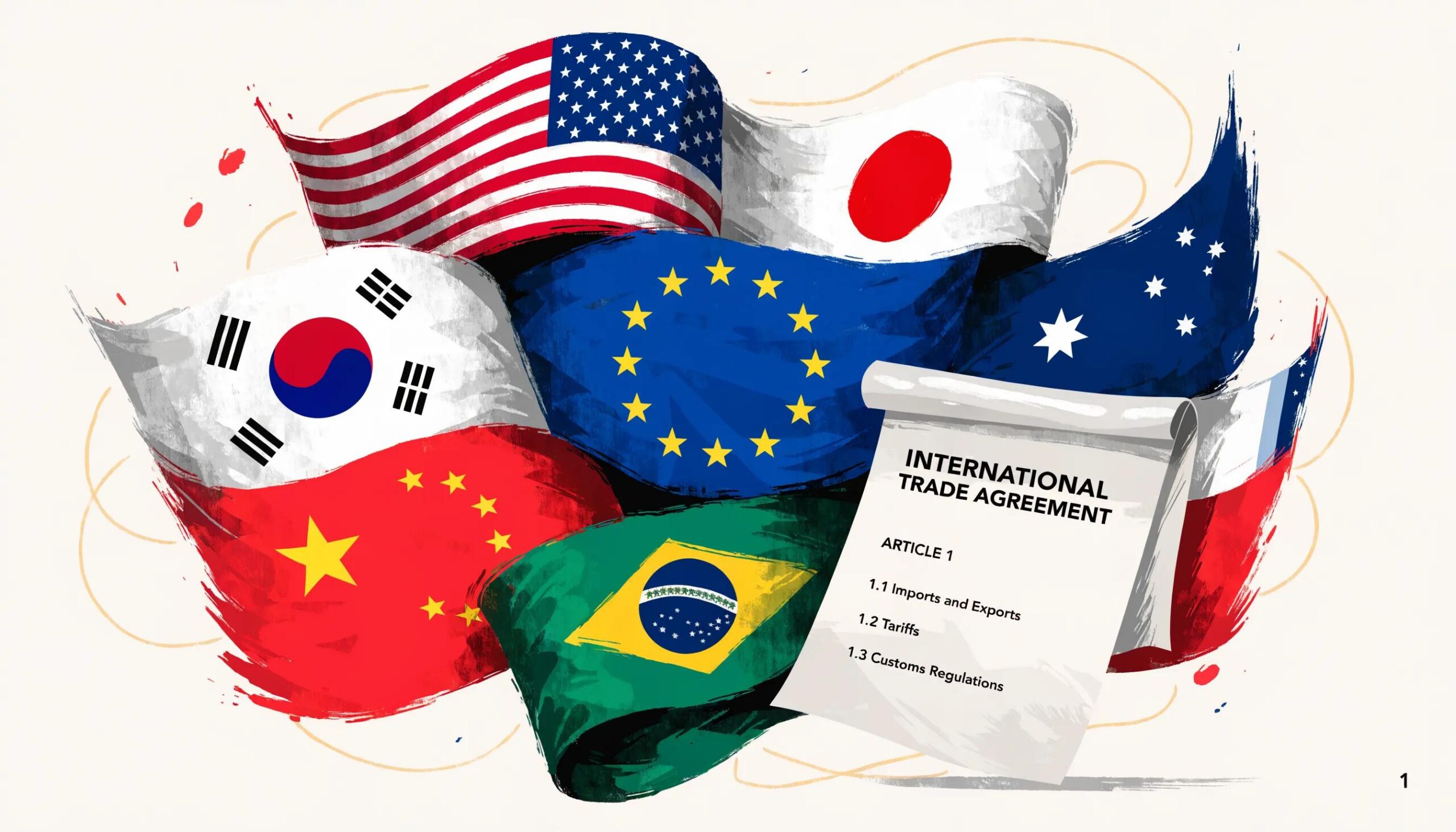
Understanding the legal frameworks governing international trade and export controls is crucial for corporations engaged in cross-border activities. Legal requirements stem from a combination of international treaties, national laws, and the policies adopted by various regulatory agencies. Key frameworks include:
- International Trade Agreements: These treaties serve as foundational governance for trade relations and compliance obligations between countries.
- Export Controls: These laws regulate the transfer of specific goods and technologies to foreign nations, aiming to protect national security and foreign policy interests.
- Customs Regulations: Compliance with customs laws ensures that all trade transactions respect tariff and non-tariff barriers imposed by governments.
- Sanctions and Embargoes: Such measures are instituted to restrict trade with particular countries or entities, primarily for political or humanitarian reasons.
These frameworks shape the landscape in which businesses operate, making awareness critical for maintaining compliance.
Enforcement Mechanisms

The effective enforcement of trade compliance relies on a collaboration between various national and international organizations. Regulatory bodies play a vital role in upholding laws surrounding sanctions and export controls. Prominent enforcement entities include:
- International Organizations: Bodies like the World Trade Organization oversee compliance with international trade laws and dispute resolution.
- Legal Professionals: Specialists in trade law assist companies in understanding regulatory obligations and navigating complex compliance landscapes.
These mechanisms ensure accountability and adherence to legal standards within international trade, providing a structured approach to enforcement.
Best Practices for Compliance Programs
Developing robust compliance programs is essential for organizations involved in international trade. These programs should encompass multiple strategies to mitigate risks associated with non-compliance. Key practices include:
- Engage Legal Experts: Collaborating with professionals specializing in sanctions and export controls ensures adherence to regulations.
- Conduct Due Diligence: Regular assessments of business partners and transactions help identify potential compliance risks.
- Implement Compliance Programs: Establishing systematic procedures that align with regulatory requirements minimizes the risk of violations.
- Utilize Compliance Tools: Implementing software solutions can streamline tracking regulatory changes and enhance reporting capabilities.
- Regular Training and Audits: Continuous education for staff on compliance measures alongside periodic audits fortifies an organization’s commitment to compliance.
Transnational Matters PLLC can assist in the advisory and implementation of these compliance strategies, ensuring that organizations stay aligned with ever-evolving regulations.
How Can Businesses Effectively Develop and Implement Export Controls Compliance Programs?
Organizations must focus on establishing comprehensive compliance programs that address the nuances of export controls. Key steps in this process include assessing the specific regulatory environment, tailoring compliance measures to organizational needs, and training employees on compliance protocols. Regular updates and reviews of these programs can also cater to changing regulations.
What Are Best Practices for Tailored Risk Assessments in Sanctions Compliance?
Conducting tailored risk assessments involves evaluating potential exposure to sanctions based on various factors such as geography, industry, and the nature of transactions. Engaging legal professionals can aid in identifying vulnerabilities and developing risk mitigation strategies that reflect current regulatory conditions.
Which Compliance Tools and Procedures Support Ongoing Regulatory Adherence?
Adopting specialized compliance tools such as automated screening technology can help businesses efficiently monitor transactions and ensure ongoing compliance with sanctions compliance. Additionally, establishing internal procedures for reporting and addressing compliance issues fosters a proactive compliance culture.
Risk Management Strategies
Risk management is a cornerstone of effective compliance programs. Organizations must be equipped to identify and mitigate potential compliance risks arising from their operations. Essential strategies include:
- Develop Compliance Checklists: Creating detailed checklists that address various compliance aspects can streamline identification of potential risks.
- Monitor Regulatory Changes: Staying informed about changes in laws and regulations helps businesses adapt rapidly to new compliance obligations.
- Establish Contingency Plans: Preparing response plans for potential compliance failures ensures organizations can act swiftly in mitigating any repercussions.
Such strategies enable organizations to maintain control over compliance processes and reduce the potential for legal penalties.
How to Conduct a Comprehensive Sanctions and Export Controls Risk Assessment?
A comprehensive risk assessment should involve a thorough analysis of business operations against applicable sanctions and export controls. Assessing factors such as transaction types, geographic risks, and customer backgrounds can help identify vulnerabilities. Conducting simulations or case studies may also provide valuable insights into potential compliance failures.
Which Factors Must Be Evaluated to Identify Sanctions Exposure?
Evaluating sanctions exposure involves considering various elements that may increase compliance risks, including:
- Geographic Exposure: Identifying countries or regions with heightened sanctions.
- Industry Sector: Recognizing sectors known for stricter compliance scrutiny.
- Transaction Type: Understanding which types of transactions carry higher risks of violations.
By analyzing these factors, organizations can better assess their sanctions exposure and implement effective compliance measures.
How to Use Compliance Checklists to Mitigate Legal and Financial Penalties?
Developing compliance checklists serves as an effective tool for organizations to ensure adherence to regulatory frameworks. Checklists should outline key compliance areas, such as documentation requirements, reporting obligations, and transaction screenings. Regular reviews can ensure thorough integration of compliance practices, minimizing potential penalties.
How Does Expert Legal Counsel Support Effective Sanctions and Export Control Compliance?
Expert legal counsel provides organizations with invaluable guidance on navigating the complexities of international trade regulations. Counsel can assist in interpreting laws, advising on compliance strategies, and representing organizations in cases of regulatory inquiries. Their expertise ensures businesses remain well-informed of best practices aligned with legal requirements.
When Should Businesses Engage Specialized Legal Services like Transnational Matters PLLC?
Organizations facing considerable risks or complexities in their compliance programs should consider engaging specialized legal services. Early engagement can offer proactive solutions tailored to an organization’s specific needs, helping to prevent potential violations and mitigate associated risks.
What Are the Advantages of Personalized Consultations and Legal Representation?
Personalized consultations facilitate tailored strategies that directly address an organization’s unique challenges. Legal representatives can guide businesses through complex negotiations, assist in the development of comprehensive compliance programs, and provide valuable insights into legal advisory services. This individualized support enhances an organization’s ability to remain compliant over the long term.
What Resources and Structured Data Facilitate Better Understanding of Sanctions Compliance?
Utilizing structured data and resources can help organizations better understand and implement sanctions compliance measures. This may include internal documents outlining compliance strategies, automated reporting through compliance software, and access to databases containing updated information on evolving regulations.
This EAV table demonstrates how various compliance strategies can effectively reduce risks and enhance an organization’s understanding of export controls and sanctions.