


Founding Attorney

Navigating Global Trade: Strategic Insights from Transnational Matters
By Davy Karkason Esq. ACIarb, Transnational Matters
The landscape of global trade is continually evolving, and understanding the dynamics between regional trade agreements (RTAs) and multilateral institutions is crucial for businesses, policymakers, and researchers. This article explores the foundational aspects of RTAs and multilateralism, comparing their implications on international trade. Readers will gain insights into how these frameworks operate, their legal structures, and the ongoing relevance in the context of globalization. As nations seek economic integration and strategic advantages, comprehending these trade systems provides key knowledge to navigate future challenges. The exploration unfolds through various key sections, including the definitions and frameworks of RTAs, the role of the World Trade Organization, and the economic impacts of these agreements, along with emerging trends shaping global trade policies.
What Defines Regional Trade Agreements and Their Legal Frameworks?
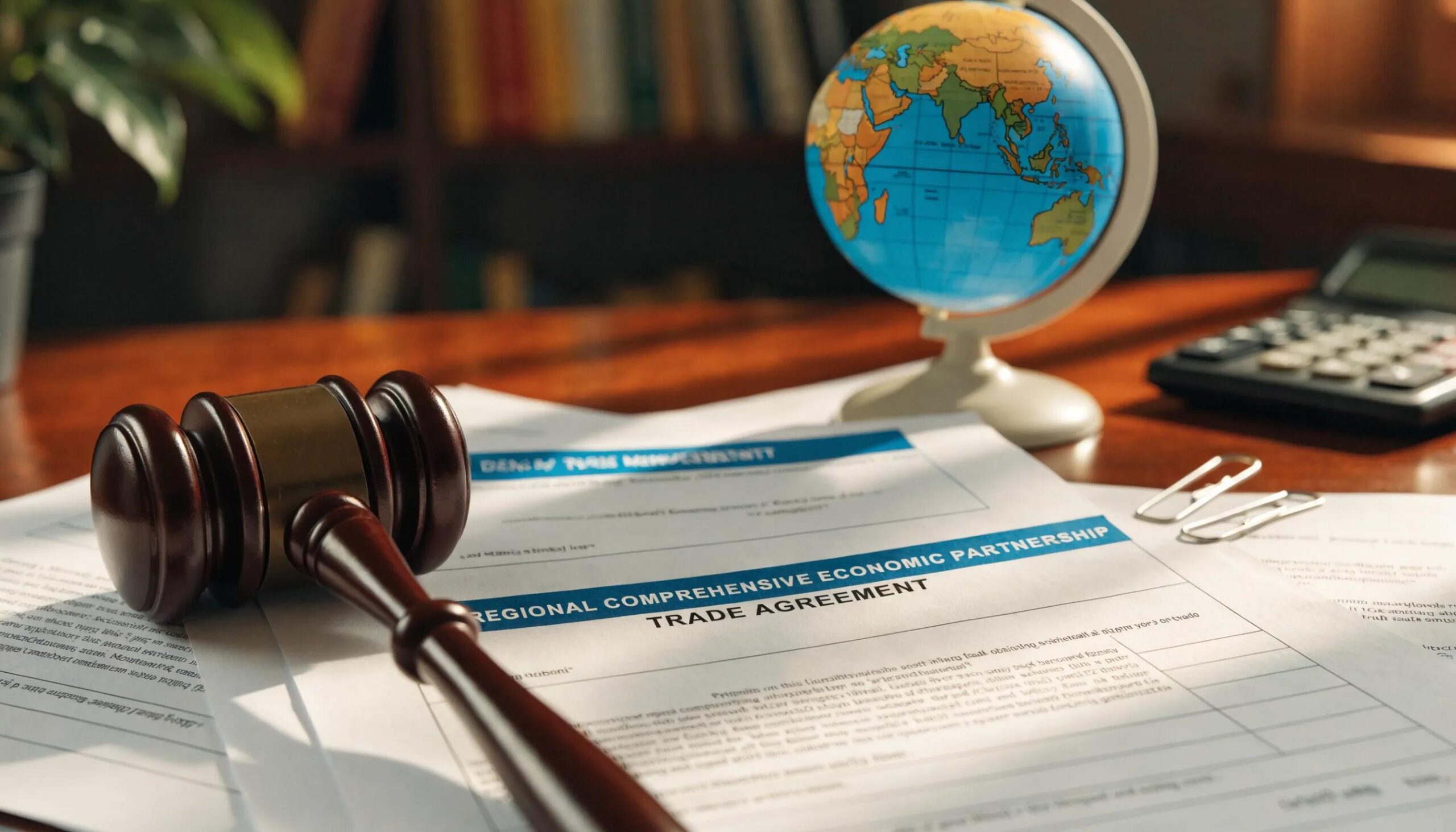
Regional Trade Agreements (RTAs) are treaties facilitating trade between member nations, reducing barriers such as tariffs and import quotas. The legal frameworks underpinning these agreements are essential for ensuring compliance and fostering economic collaboration. RTAs not only aim to enhance trade flows but also establish comprehensive regulations governing cross-border transactions and investment flows. Understanding these frameworks is vital for countries engaging in economic integration and for businesses operating across borders.
Information Hub offers expert legal consultation on international trade law, particularly in navigating the complexities surrounding RTAs and multilateral frameworks. Their specialized services are critical for multinational corporations and sovereign nations looking to comprehend their rights and obligations under these agreements.
Which Types of Regional Trade Agreements Are Most Prevalent Globally?
The global landscape features several types of Regional Trade Agreements, prominently including Free Trade Agreements (FTAs), Bilateral Investment Treaties (BITs), Customs Unions, and Common Markets. Each type varies significantly in terms of member obligations and the scope of economic integration.
The impacts of these agreements range from enhanced trade flows to deeper economic cooperation, profoundly influencing national economies.
What Are the Key Legal Compliance Considerations in Regional Economic Integration?
Businesses engaging in regional economic integration must navigate various legal compliance considerations, ensuring adherence to both domestic and international regulations. This includes understanding the legal frameworks established by the agreements, potential conflicts of law, and requisite documentation for cross-border transactions. Due diligence is essential in these markets to mitigate risks associated with compliance failures, which can lead to sanctions and legal disputes.
How Does Multilateralism Promote Global Trade Cooperation and Regulation?
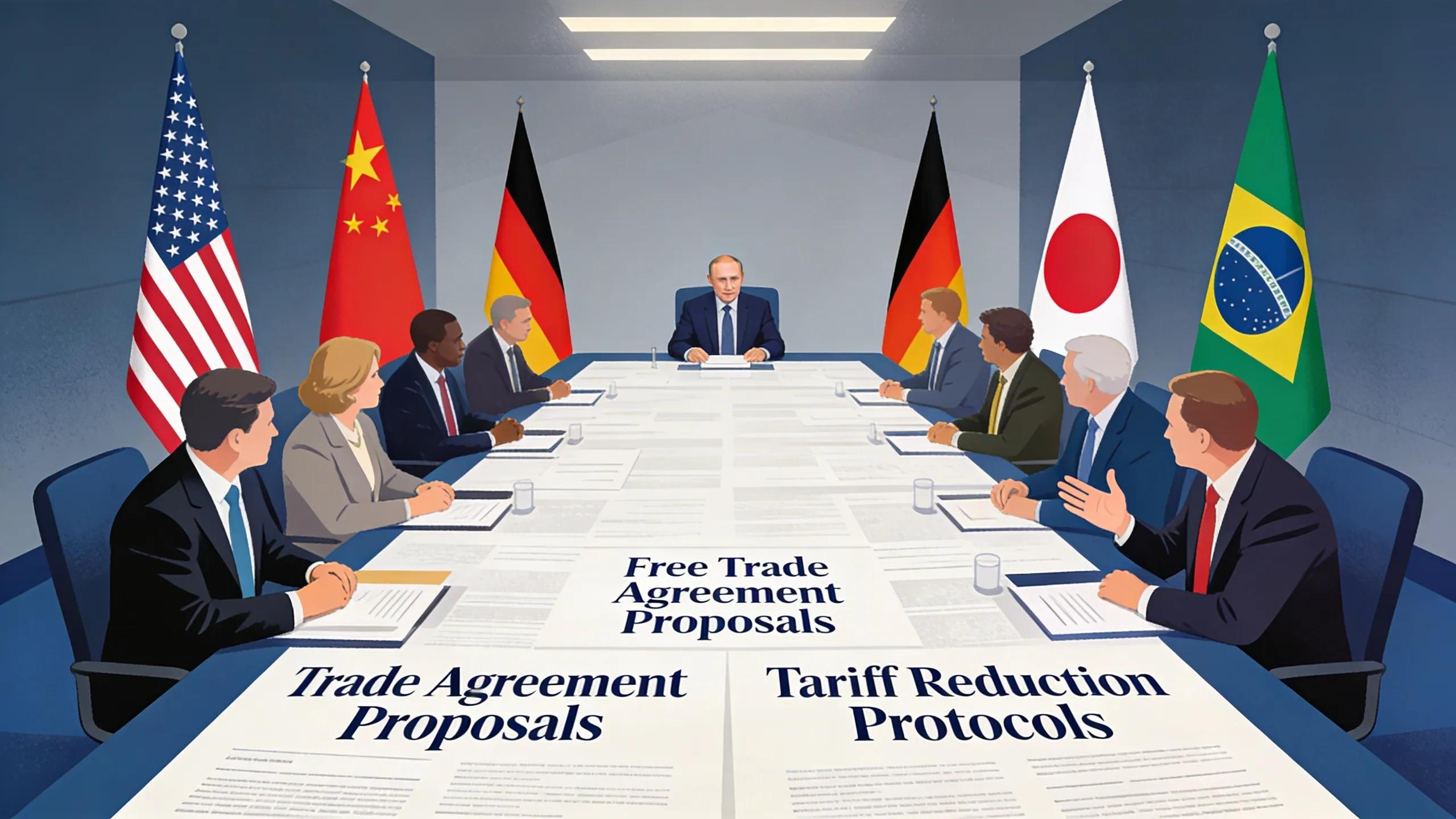
Multilateralism plays a pivotal role in fostering international trade cooperation through collective agreements involving multiple countries, which is vital for addressing global trade issues. It generates opportunities for harmonizing regulations and standards across borders, enhancing the predictability of international trade. The World Trade Organization embodies multilateralism, promoting transparency and establishing rules necessary for a stable trade environment.
What Role Does the World Trade Organization Play in Multilateral Trade Systems?
The World Trade Organization (WTO) serves as a critical framework for facilitating multilateral trade. It administers trade agreements, oversees trade negotiations, and provides a platform for settling disputes among member nations. Furthermore, the WTO plays a significant role in monitoring trade policies, ensuring compliance with established norms, and fostering an equitable trading system. Its dispute resolution mechanisms are particularly vital in addressing conflicts arising from trade agreements, further solidifying its importance in the global trade landscape.
What Are the Challenges Faced by Multilateral Trade Frameworks in Contemporary Commerce?
Despite its benefits, multilateral trade frameworks face several challenges, including rising protectionism, political instability, and trade tensions among powerful nations. These challenges often result in the re-emergence of unilateral trade measures and a shift towards regional trade agreements, undermining the foundations of multilateralism. Additionally, navigating complex regulatory environments and ensuring compliance with diverse legal standards add layers of difficulty for businesses engaged in international trade.
What Are the Comparative Economic and Legal Impacts of RTAs Versus Multilateral Agreements?
Evaluating the economic and legal impacts of RTAs compared to multilateral agreements reveals distinct differences in scope and effectiveness. RTAs tend to offer more flexible and tailored arrangements suited to the specific needs of member nations, often resulting in quicker implementations. In contrast, multilateral agreements focus on broader participation, promoting wider economic cooperation but may encounter challenges in reaching consensus among numerous stakeholders.
How Do Regional Trade Agreements Affect National Economies and Sovereign Trade Policies?
Regional Trade Agreements can significantly influence national economies by facilitating trade, enhancing market access, and fostering foreign direct investment (FDI). They often result in regulatory harmonization and improved competitive dynamics, enabling countries to align their trade policies with those of their partners. Consequently, RTAs may lead to shifts in national trade policies, necessitating governments to reconsider their strategic frameworks in light of new economic realities.
What Are the Advantages and Risks Associated with Multilateral Versus Regional Trade Regimes?
Both multilateral and regional trade regimes present unique advantages and risks. The flexibility of RTAs allows for tailored agreements that can respond rapidly to changing economic contexts. However, such flexibility may invite risks of trade diversion where trade is rerouted from efficient producers to less efficient ones due to preferential treatment. Conversely, multilateral agreements promote a stable and predictable trade environment but may lack the necessary adaptability to address specific national concerns effectively.
How Is International Arbitration Utilized to Resolve Disputes Under Different Trade Agreements?
International arbitration is a key mechanism for resolving disputes under various trade agreements, providing a neutral ground for parties involved in trade conflicts. It allows for the enforcement of decisions across borders, often circumventing lengthy litigation processes in national courts. Understanding the characteristics and advantages of these arbitration mechanisms is essential for businesses engaged in international trade.
What Arbitration Mechanisms Are Common in Regional and Multilateral Trade Disputes?
Several arbitration mechanisms are prominent in trade disputes, including the International Chamber of Commerce (ICC) Arbitration and mediation processes. These mechanisms provide efficiency and ease of access to justice, making them preferred avenues for resolving complex trade disagreements. The arbitration process is designed to uphold the integrity of the agreements while ensuring resolutions are obtained in a timely manner.
How Can Legal Advisory Services Mitigate Trade Dispute Risks for Multinational Corporations?
Legal advisory services play a pivotal role in mitigating trade dispute risks by providing crucial insights into compliance requirements and advising on best practices for avoiding conflicts. Engaging with legal experts familiar with international trade law can help multinational corporations navigate diverse legal environments effectively, ensuring adherence to local regulations and minimizing potential liabilities.
Which Recent Regional Economic Integration Case Studies Illustrate Trends in Global Trade?
Recent case studies of regional economic integration highlight evolving trends in global trade characterized by increasing collaboration among nations. These integrations often reflect geopolitical shifts and economic necessities that shape trade relationships.
What Legal and Economic Insights Arise from Notable Regional Trade Bloc Developments?
Insights from notable regional trade blocs suggest that strategic collaborations can enhance competitive capabilities and expand market access. The emergence of new trade partnerships and the reassessment of existing agreements have implications for global supply chains and trade routes, warranting ongoing analysis and adaptation.
How Are Geopolitical Shifts Influencing Future Directions in Regional and Multilateral Trade?
Geopolitical shifts continue to shape the landscape of regional and multilateral trade agreements. Emerging economies are increasingly asserting their influence on global trade negotiations, prompting industrialized nations to reconsider traditional approaches. This evolution impacts policy formulations and the strategic objectives of trade agreements worldwide.
What Are the Forecasted Trends and Strategic Considerations for Global Trade Policy Post-2024?
Looking ahead, the evolution in global trade policy is likely to be characterized by continued emphasis on digital trade, sustainability, and adaptive regulatory frameworks. Policymakers will need to remain agile in response to emerging technologies and changing market dynamics as businesses increasingly seek comprehensive legal guidance to navigate these changes effectively.
How Will Evolving Trade Agreements Shape International Business and Legal Strategies?
Evolving trade agreements will significantly influence international business strategies, particularly in the realms of compliance and risk management. Companies will need to prioritize adaptability in their operational frameworks, leveraging legal advisors to align with complex international standards and mitigate exposure to emerging risks.
What Role Will Legal Services Play in Supporting Compliance and Arbitration in Future Trade Frameworks?
Legal services will remain critical in supporting compliance efforts and facilitating smoother arbitration processes within future trade frameworks. As businesses encounter new challenges and opportunities in global markets, expert legal guidance will help them navigate the intricate landscape of international trade law effectively, ensuring strategic alignment and operational success.