


Founding Attorney
Jurisdiction Challenges in Arbitration: Transnational Matters
By Davy Karkason Esq. ACIarb, Transnational Matters
Jurisdiction challenges are a critical aspect of international arbitration, influencing the outcomes of cross-border disputes. Understanding these challenges involves grasping their definitions, legal foundations, and procedural intricacies. This article provides a thorough exploration of jurisdiction challenges, their implications for arbitration proceedings, and the procedural steps for raising objections. Readers will gain insights into the complexities of jurisdictional issues, making them better equipped to navigate these challenges in international arbitration effectively. We’ll delve into key international arbitration rules, the role of jurisdiction clauses, and the enforcement of awards amid jurisdictional disputes. Additionally, the impact of sovereign immunity will be examined, providing a comprehensive overview of jurisdiction challenges in the arbitration landscape.
What Are Jurisdiction Challenges in International Arbitration?
Jurisdiction challenges arise when parties dispute the authority of arbitrators to decide a case, often leading to significant implications for dispute resolution. These challenges evaluate whether the arbitration tribunal has the power to adjudicate a dispute based on jurisdictional grounds. Successful navigation of jurisdiction questions is essential, as missteps can undermine arbitration agreements and the enforceability of awards.
To facilitate a better understanding of jurisdiction challenges, we can categorize them into specific types, illustrating both the legal backing and the practical implications for the involved parties.
These categories help dissect the factors that complicate jurisdictional disputes, emphasizing the need for expert legal guidance in international arbitration.
Defining Jurisdiction and Its Importance in Arbitration Proceedings
Jurisdiction in the context of international arbitration refers to the authority of an arbitration tribunal to hear a dispute and render a binding decision. It is pivotal in ensuring that cases are resolved fairly and according to the established agreements between parties. The importance of jurisdiction cannot be overstated; any misjudgment can lead to substantial legal ramifications and affect the enforceability of decisions.
In many cases, jurisdictional errors can manifest in outcomes that favor one party disproportionately, necessitating thorough scrutiny of jurisdictional claims. Understanding jurisdiction enhances the probability of positive arbitration results for clients.
Common Types of Jurisdictional Challenges and Their Legal Basis
There are various types of jurisdictional challenges, each with specific legal underpinnings. The two most common types include:
- Incompetence: This challenge pertains to claims that the tribunal lacks authority based on the arbitration agreement or prevailing law.
- Invalidity: In this scenario, parties contest the validity of the arbitration agreement itself, which can stem from defects like lack of consent.
These challenges not only highlight legal foundations but also exemplify the necessity for robust legal frameworks governing international arbitration.
How Do Arbitration Jurisdiction Rules Govern Cross-Border Disputes?
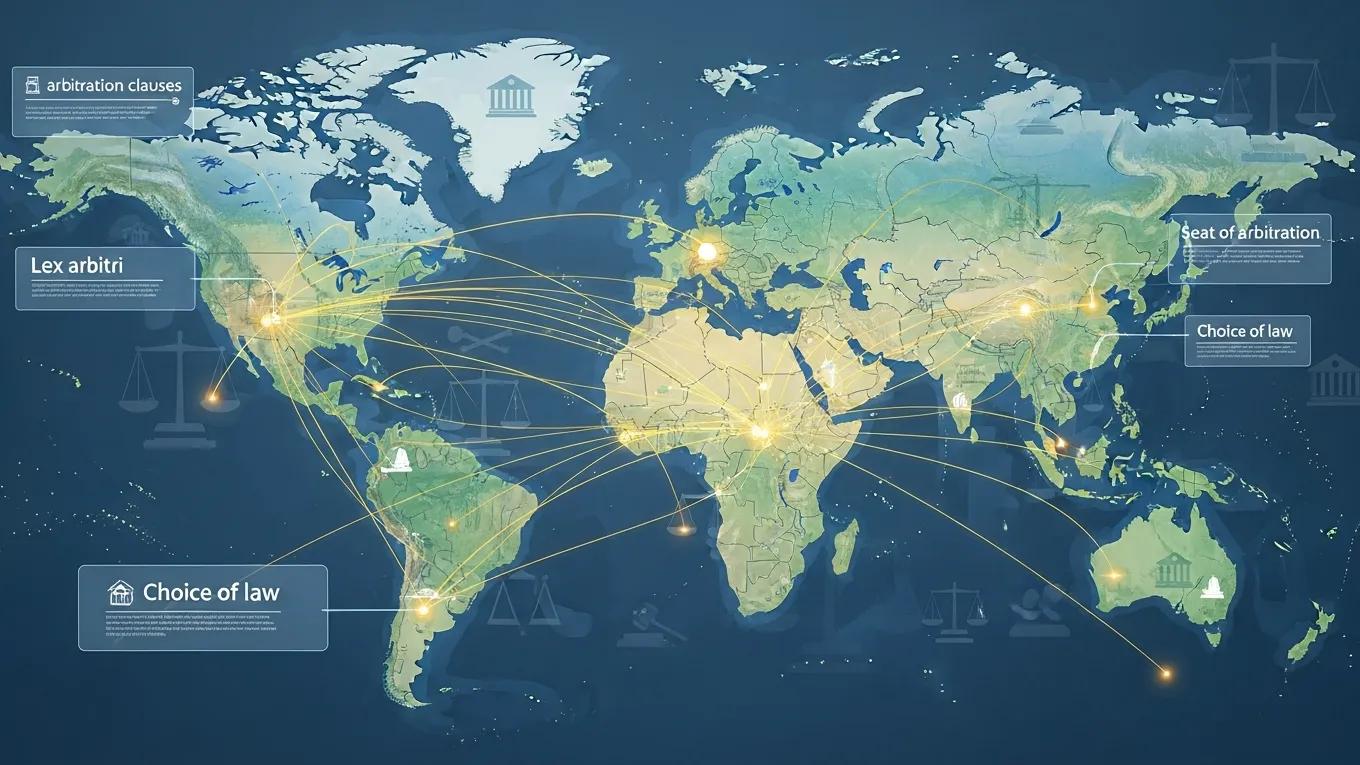
The jurisdiction rules governing arbitration are essential in facilitating effective cross-border dispute resolution. These rules establish the parameters within which arbitration occurs, ensuring an orderly process for adjudicating disputes internationally.
Legal structures like the United Nations Commission on International Trade Law (UNCITRAL) Model Law and the Arbitration Rules of the International Chamber of Commerce (ICC) provide comprehensive guides on jurisdiction. They delineate how jurisdictional competence can be evaluated and established in varied contractual arrangements.
Key International Arbitration Jurisdiction Rules and Frameworks
International arbitration is guided by various legal frameworks that define jurisdictional principles. These include:
- UNCITRAL Model Law: Provides a harmonized international arbitration framework that many countries adopt as statutory law.
- New York Convention: Facilitates the recognition and enforcement of foreign arbitral awards, reinforcing the authority of arbitral decisions.
These frameworks are critical in ensuring that jurisdictional determinations align with globally accepted standards, promoting confidence among disputing parties.
Role of Arbitration Agreements and Jurisdiction Clauses in Determining Competence
Arbitration agreements are foundational documents that specify the parameters of jurisdiction, often containing clauses that define which disputes are arbitrable and the rules they must adhere to. Such clauses help delineate the scope of arbitration, thereby preventing jurisdictional challenges from arising unexpectedly.
Precise language in these agreements clarifies the agreement’s scope, significantly reducing potential legal disputes. For instance, a well-worded jurisdiction clause can explicitly state the governing law and the arbitrators’ authority, facilitating smoother dispute resolution.
What Are the Procedures for Raising Jurisdiction Objections in Arbitration?

Raising jurisdiction objections entails a structured process that parties must navigate carefully to preserve their legal rights. Understanding this process is crucial for effectively challenging a tribunal’s authority.
Step-by-Step Process for Filing Jurisdictional Objections
Filing a jurisdictional objection follows several essential steps:
- Identify the Grounds: Clearly outline the basis of the objection, whether it pertains to incompetence, invalidity, or non-arbitrability.
- Prepare Documentation: Compile necessary documents and evidence that substantiates the objection.
- Submit Timely: File the objection within stipulated timelines to avoid waiver of rights.
By adhering to these procedural steps, parties can effectively challenge jurisdictional validity, ensuring their rights are adequately protected.
Legal Standards and Tribunal Competence in Adjudicating Jurisdiction Challenges
Tribunals evaluate jurisdictional challenges based on established legal standards that interpret both the arbitration agreement and applicable law. These standards require careful consideration of evidence and often hinge on prior case law relating to jurisdictional competence.
Understanding these legal benchmarks helps parties gauge the strength of their objections and anticipate tribunal responses. Courts’ interpretations can greatly influence how jurisdiction challenges are viewed, making knowledge of relevant precedents crucial for effective arbitration strategy.
How Are Jurisdiction Challenges Addressed in Enforcement and Sovereign Immunity Contexts?
Issues surrounding jurisdiction challenges become particularly pronounced during the enforcement of arbitration awards. Parties often need to navigate complex interactions between national laws and international norms, especially in contexts involving sovereign entities.
Enforcement of Arbitration Awards Amid Jurisdictional Disputes
The enforcement of foreign arbitral awards can be obstructed by jurisdictional disputes, as domestic courts may refuse to recognize awards if they perceive overreach in the tribunal’s authority. This enforcement landscape necessitates a nuanced approach to jurisdiction, especially for multinational corporations or states.
Practitioners must anticipate enforcement challenges by ensuring arbitration agreements are robust and aligned with enforceability standards, thus enhancing the likelihood of favorable outcomes.
Impact of Sovereign Immunity on Arbitration Jurisdiction and Dispute Resolution
Sovereign immunity complicates jurisdictional dynamics in arbitration involving state entities. This legal principle maintains that states cannot be sued without their consent, often leading to jurisdictional challenges that can obstruct arbitration proceedings.
The relationship between sovereign immunity and jurisdiction can significantly impact dispute outcomes, making it vital for parties to understand the conditions under which states may waive this immunity. Strategic legal advice becomes essential in navigating these intricate challenges.