


Founding Attorney
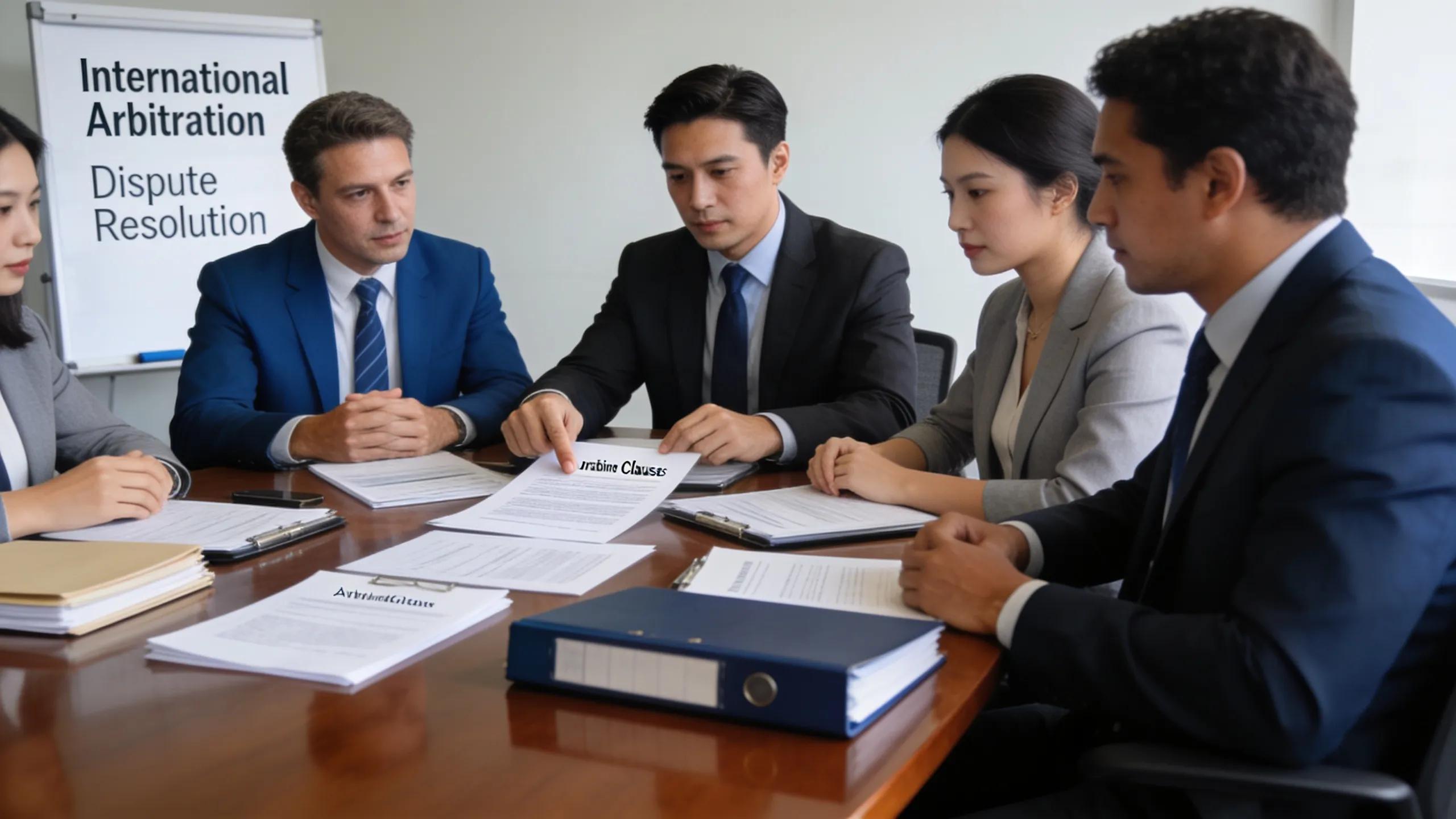
International Arbitration Services in Florida for Corporations: Expert Legal Guidance and Dispute Resolution
By Davy Karkason Esq. ACIarb, Transnational Matters
International arbitration serves as a critical mechanism for corporate dispute resolution, particularly in a globalized business environment. As companies expand their operations across borders, navigating complex legal systems becomes increasingly essential. This article explores the nuances of international arbitration services in Florida, focusing on how businesses can leverage these frameworks for effective dispute resolution. Readers will gain insight into the arbitration process, its advantages over traditional litigation, and the specific legal frameworks that govern these proceedings. By the end of the article, you will understand how international arbitration can provide a tailored solution to corporations facing cross-border disputes.
Expert Legal Guidance
Expert legal guidance is pivotal for corporations engaging in international arbitration. Legal professionals with experience in cross-border dispute resolution can offer tailored advice that addresses the unique challenges faced by multinational corporations. Transnational Matters specializes in this area, guiding clients through complex arbitration frameworks, ensuring compliance with relevant legislation, and representing them in proceedings. Understanding the intricacies of international arbitration allows corporations to make informed decisions, enhancing their chances of favorable outcomes.
Dispute Resolution Process
The international arbitration process entails several crucial steps to ensure fair and efficient resolution of disputes:
- Agreement to Arbitrate: Parties must have a binding arbitration clause in their contract, agreeing to resolve disputes through arbitration rather than litigation.
- Selection of Arbitrators: Parties typically select neutral third-party arbitrators who possess relevant expertise in the subject matter of the dispute.
- Hearing and Award: The arbitration hearing takes place, where evidence and arguments are presented. Following deliberation, the arbitrators render a binding award.
Understanding these steps is essential for corporations to navigate the arbitration landscape effectively.
Advantages of Arbitration

Arbitration offers several advantages compared to traditional litigation, making it an attractive option for corporations:
- Confidentiality: Unlike court proceedings, arbitration is private, ensuring that sensitive information does not enter the public domain.
- Expertise of Arbitrators: Arbitrators are often selected for their expertise in specific fields, providing a level of understanding that may not be present in standard court proceedings.
- Faster Resolutions: Arbitration typically results in quicker resolutions compared to court cases, allowing businesses to return to regular operations promptly.
Transnational Matters PLLC emphasizes these benefits by providing specialized legal counsel for corporate clients navigating the arbitration process.
Legal Frameworks and Procedural Benefits
The legal frameworks surrounding international arbitration in Florida provide several procedural benefits that enhance its effectiveness. These frameworks include:
- Federal Arbitration Act: Governing the enforcement of arbitration agreements and awards across the United States, ensuring that arbitration resolutions are recognized nationwide.
- International Treaties like the New York Convention: Facilitating the enforcement of foreign arbitral awards, thus broadening the appeal of international arbitration for corporations.
- Institutional Rules: Organizations like the International Chamber of Commerce offer established rules that govern the arbitration process, bringing structure and clarity to proceedings.
These frameworks equip corporations with the tools necessary to navigate complex legal landscapes, making arbitration a viable option for dispute resolution.
Practical Implications
Engaging in arbitration has practical implications for corporations seeking to resolve disputes efficiently. Key considerations include:
- Cost-effectiveness: Arbitration can often be less costly than litigation due to reduced legal fees and faster resolution times.
- Preservation of Relationships: The less adversarial nature of arbitration helps maintain business relationships that could be damaged through protracted litigation.
- Strategic Industry Positioning: By leveraging arbitration, corporations can enhance their reputation for effective dispute resolution in competitive industries.
These implications illustrate the broader benefits of opting for arbitration over traditional litigation strategies.
What Defines International Arbitration and Its Advantages under Florida Law?
International arbitration is defined as a process wherein disputes between parties in different jurisdictions are settled by neutral arbitrators chosen by the parties involved. Under Florida law, several advantages increase the effectiveness of this process:
- Private Dispute Resolution: Arbitration allows for disputes to be resolved privately, with details kept out of the public eye.
- Conflict of Jurisdictions: It addresses potential conflicts arising from differing laws in the jurisdictions involved, providing a neutral ground for resolution.
- Advantages of Enforceability: Awards are generally enforceable in multiple jurisdictions due to international treaties, such as the New York Convention, enhancing their legal standing.
These features render Florida an attractive venue for international arbitration, facilitating smoother dispute resolution for corporations.
How Does International Arbitration Differ from Litigation for Corporations?
International arbitration differs significantly from traditional litigation, primarily in these aspects:
- Confidentiality vs Transparency: Arbitration proceedings remain private, whereas litigation outcomes are generally public.
- Efficiency of Disputes: Arbitration typically offers a more streamlined process, avoiding lengthy court battles.
- Control Over the Process: Parties have greater autonomy in selecting arbitrators and determining procedural rules in arbitration compared to rigid court processes.
These distinctions highlight why many corporations prefer arbitration as a method for resolving international disputes.
What Are the Key Benefits of Choosing Florida’s Arbitration Framework?

Florida’s arbitration framework presents specific benefits for corporations, including:
- Recognition under Global Treaties: Awards issued in Florida are supported by international treaties, facilitating enforcement abroad.
- Expertise in Local Laws: Practitioners in Florida are well-versed in local arbitration laws and global standards.
- Preservation of Business Confidentiality: The private nature of arbitration helps protect sensitive business information.
These elements contribute to Florida being a favorable jurisdiction for corporate arbitration, ensuring that clients can navigate disputes efficiently.
Which Procedures Govern International Arbitration for Corporations in Florida?
Various procedural rules govern international arbitration for corporations in Florida, including:
- Common rules like UNCITRAL: These provide a framework for conducting arbitration efficiently and fairly.
- Filing processes: Detailed procedures that guide parties through the initiation of arbitration.
- Hearing procedures: Established guidelines that determine how hearings are conducted and evidence is presented.
Understanding these procedures is crucial for corporations to effectively engage in international arbitration.
How Are Arbitration Awards Enforced in Florida for International Corporate Disputes?
The enforcement of arbitration awards in Florida is facilitated by:
- Role of the New York Convention: This international treaty ensures that arbitration awards are recognized and enforceable in contracting states.
- Process of Enforcement: Parties may seek enforcement through Florida’s courts, which are generally supportive of arbitration agreements and awards.
- Judicial Cooperation: Courts in Florida work with international jurisdictions to uphold arbitration awards, reinforcing the reliability of this dispute resolution mechanism.
These mechanisms underscore the robust framework for enforcing arbitration awards, making it an effective recourse for international corporate disputes.