

Founding Attorney
Intellectual Property in the Age of AI Agents: Navigating Ownership, Rights, and Legal Protections
By Davy Karkason Esq. ACIarb, Transnational Matters
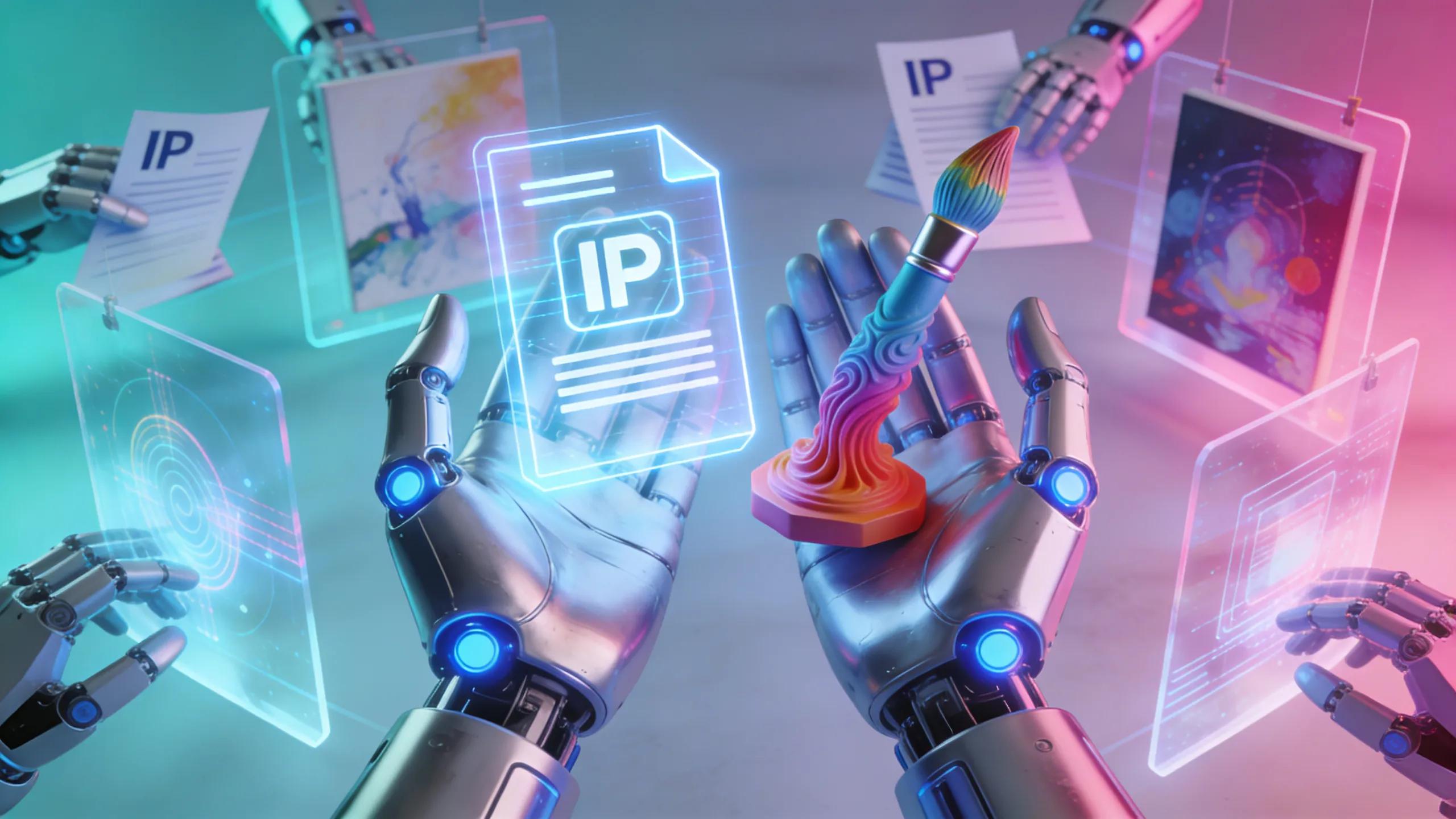
The emergence of artificial intelligence (AI) agents raises critical questions surrounding intellectual property (IP), ownership, and legal protections. As AI continues to generate creative works and inventions, understanding the complexities of IP rights in this context is essential for creators, businesses, and legal professionals. This comprehensive article will explore the intricate landscape of IP in the age of AI, focusing on authorship, copyright applications, patent considerations, and strategies for global IP protection. Many stakeholders grapple with uncertainties about who owns AI-generated content and the implications for existing legal frameworks. From copyright eligibility to the recognition of AI as inventors, this article will outline the challenges and opportunities presented by AI in the realm of intellectual property.
Legal Ownership and Authorship Definitions
The legal landscape concerning ownership and authorship of AI-generated works is often complex and evolving. Traditional definitions of authorship may no longer apply, as AI agents can produce creative outputs without direct human intervention. There is a pressing need for clear contractual agreements to delineate ownership rights in AI-generated content. As legal disputes emerge regarding the ownership of these works, parties must understand the nuances of the law to navigate these challenges effectively. Exploring the definitions of legality and what constitutes authorship is critical for ensuring fair rights management.
Understanding the nuances of AI-generated content ownership is crucial, as the current legal frameworks are still catching up to the rapid technological advancements.
AI Generative Works: Authorship, Originality, and Ownership Challenges
The rapid integration of generative artificial intelligence (AI) into creative industries such as text generation via models like ChatGPT, visual arts through DALL-E and Midjourney, and music composition with MusicLM has disrupted traditional notions of authorship, originality, and ownership. This paper explores the legal and ethical tensions arising from AI’s ability to autonomously produce cultural and intellectual goods, challenging copyright frameworks rooted in human-centric principles established by international treaties like the Berne Convention and TRIPS Agreement. Redefining Authorship and Ownership: Intellectual Property Challenges in AI-Generated Creative Works, 2025
Copyright Applications
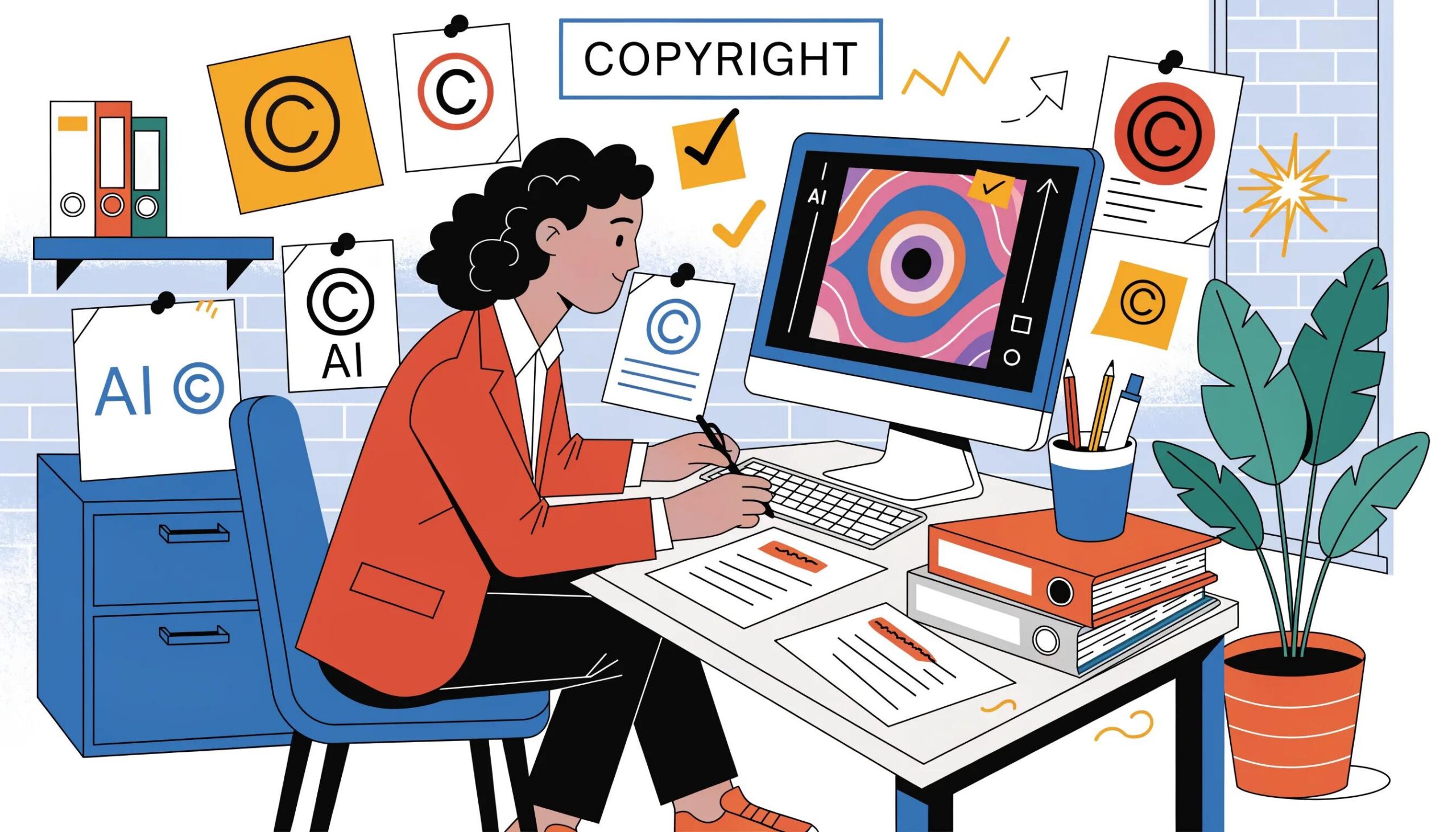
The application of copyright to AI-generated works raises fundamental questions about eligibility and authorship. While copyright traditionally requires human authorship, the landscape changes when works are produced by AI. To qualify for copyright protection, works must meet specific criteria, which have become increasingly complicated with the rise of AI technologies. This section will outline the key requirements for copyright eligibility and the steps involved in filing for protection. Understanding these complexities ensures stakeholders are aware of their rights and responsibilities regarding AI-generated works.
What Are the Legal Definitions and Challenges of AI Authorship?
Legal definitions surrounding AI authorship face significant challenges, primarily due to the lack of precedents in case law. While AI can create text, images, and other outputs, attributing authorship to an AI entity complicates conventional legal frameworks. The absence of clear regulations may lead to potential disputes over rights and remuneration. As the technology progresses, legal definitions must evolve to account for AI’s role in creative processes, which complicates existing IP frameworks.
Addressing the ongoing copyright disputes surrounding AI-generated content requires a re-evaluation and reform of current intellectual property laws.
Reforming Copyright Law for AI-Generated Content Ownership
With the emergence of disputes over the copyright of AI-generated content (AIGC), academia has extensively discussed relevant issues, including copyright protectability and ownership. However, the copyright law community has not reached an international consensus. Adopting a doctrinal methodology, this paper investigates these issues and proposes reforms, arguing that copyright law should clarify the de facto authorship of AI and determine the originality of AIGC based on minimum creativity at the expression level. Reforming copyright law for ai-generated content: copyright protection, authorship and ownership, 2025
How Do Copyright Laws Apply to Works Created by AI Agents?
The application of copyright laws to AI-generated content varies significantly across jurisdictions. In some regions, there is a strict requirement for human authorship, while others may recognize certain rights for AI-generated works. Recent court cases have influenced decisions related to copyright, highlighting the necessity for harmonization of laws across borders. Understanding how various jurisdictions treat copyright issues related to AI productions is vital for creators and businesses operating on an international scale.
Patent Law Considerations
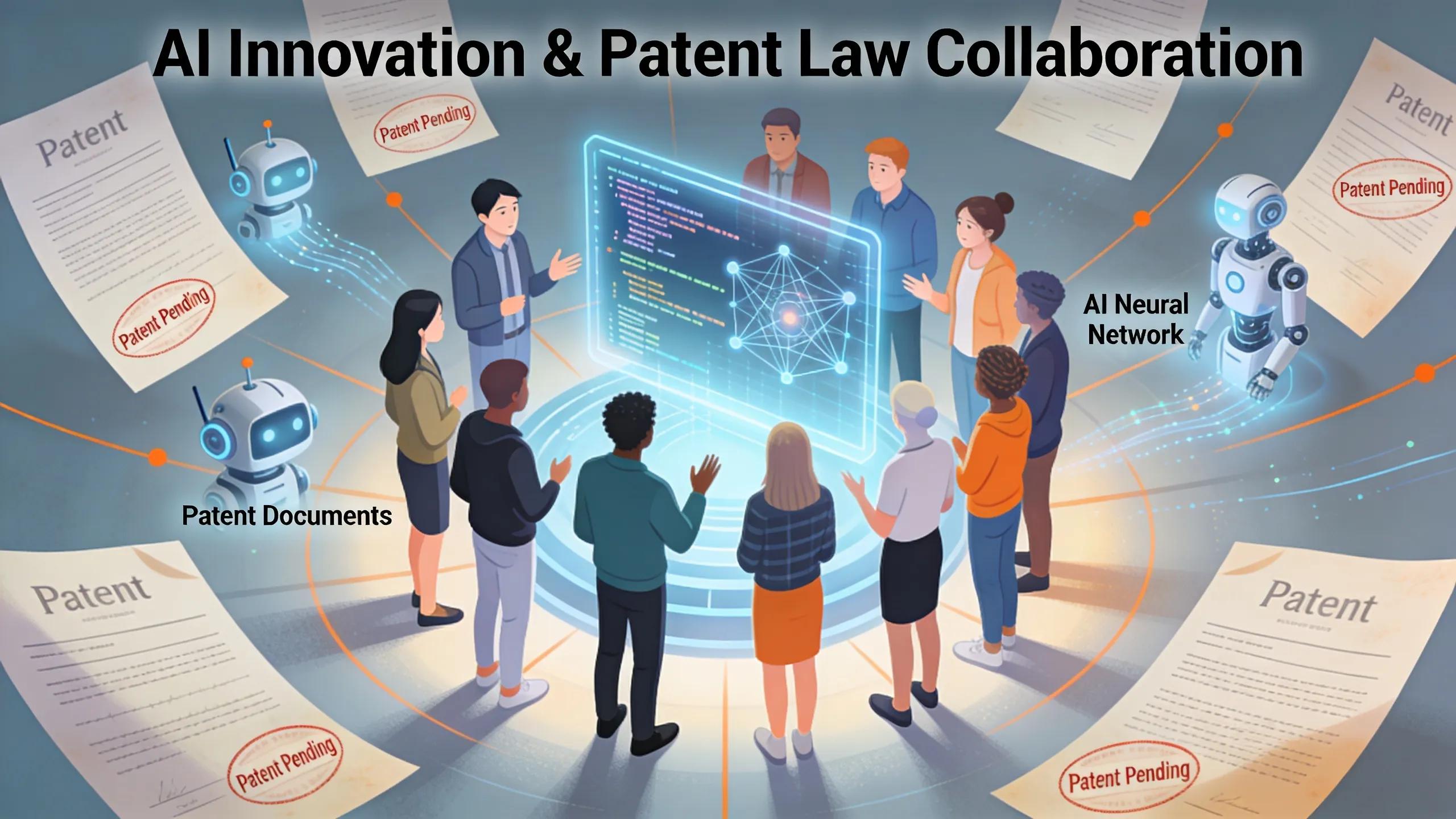
Patent law in the context of AI innovation presents unique challenges and opportunities. The criteria for patent eligibility concerning AI inventions differ from traditional inventions, necessitating a thorough examination of legal interpretations. This section explores the intersection of AI, patent law, and the implications of patenting technology generated by AI agents.
Can AI Be Recognized as an Inventor Under International Patent Frameworks?
The question of whether AI can be recognized as an inventor remains contentious under international patent frameworks. Current legal perspectives largely recognize human inventors, leaving AI’s role ambiguous. However, landmark cases in various jurisdictions challenge these conventional views, indicating a potential shift in how patents are granted in the future. Assessing the impact of recognizing AI as inventors could reshape the landscape of patent law significantly.
What Procedures Govern Patenting AI-Generated Inventions Across Jurisdictions?
The procedures for patenting AI-generated inventions vary greatly depending on the jurisdiction. Each country has unique regulations that dictate how inventions must be filed, assessed, and granted patents. Familiarity with the key processes in major international markets is essential for businesses that rely on AI technologies. Stakeholders must also stay informed about ongoing changes in patent law to adapt their strategies accordingly.
Strategies for Protecting IP Globally
To navigate the complexities of IP protection in an an increasingly digital and AI-driven world, businesses need robust strategies. Conducting an IP landscape analysis allows organizations to identify potential risks and opportunities in their IP portfolios. Additionally, registering trademarks and patents in key markets is crucial for global protection. Compliance frameworks become essential for multinational companies to align with varying legal requirements across jurisdictions.
As part of securing intellectual property rights, consulting with legal experts can provide businesses with invaluable insights. Transnational Matters PLLC specializes in legal counseling on ownership, patenting, and protection of AI-generated content and inventions across jurisdictions. This expertise ensures organizations can effectively safeguard their innovations in a rapidly changing legal environment.
Indemnification and Licensing
When it comes to AI-generated works, understanding legal responsibilities related to indemnification and licensing agreements becomes essential. Businesses operating in this space must ensure clear clauses are established in their contracts to mitigate potential liabilities. A well-structured licensing agreement can protect both creators and users of AI-generated content, defining the rights and responsibilities of each party.
Compliance with Evolving Regulations
The legal landscape surrounding AI and intellectual property is continuously evolving. Keeping abreast of regulatory changes is imperative for organizations that rely on AI technologies. The implications of these shifts can significantly affect IP protection strategies, making it crucial for businesses to adapt their compliance frameworks proactively. Collaborating with legal experts can provide organizations with insights on best practices for navigating these dynamic regulations and staying compliant in a global market.
Different copyright applications suitable for AI-generated content demonstrate the need for precise legal frameworks in ownership and protection strategies. Understanding the global landscape of intellectual property protection is vital.
By understanding these varied criteria across jurisdictions, stakeholders can better navigate the complexities of protecting their AI innovations globally.