


Founding Attorney
The African Continental Free Trade Area (AfCFTA) stands as a beacon of hope for transformative economic growth on the continent.
By dismantling trade barriers and unifying diverse markets, AfCFTA aims to catalyze enhanced interconnectivity and prosperity across nations like Sierra Leone, where potential abounds.
Its promise extends to redefining the commercial landscape, supporting the burgeoning aspirations of Small and Medium Enterprises, and sparking industrial evolution.
With a critical eye on how this framework fosters economic integration, the narrative ahead scrutinizes both the immense prospects and the challenges that lie within. See The African Continental Free Trade Area (worldbank.org)
Keep reading to uncover how AfCFTA is poised to reshape the economic horizon of Africa.
Unlocking Regional Trade and Integration Through AfCFTA
- AfCFTA Has Led to Improved Intracontinental Commerce and New Trade Pathways Across Africa
- Infrastructure Improvements Under AfCFTA Are Crucial for the Success of Regional Integration
- Sierra Leone Has Benefited From AfCFTA Through Strategic Partnerships and Increased Trade
- The Trade Agreement Provides a Platform for SMEs in Africa to Expand and Integrate Into Regional Value Chains
- AfCFTA Includes Inclusive Policies That Empower Traditionally Marginalized Groups, Such as Women and Youth
Analyzing the Impact of AfCFTA on Inter-African Trade
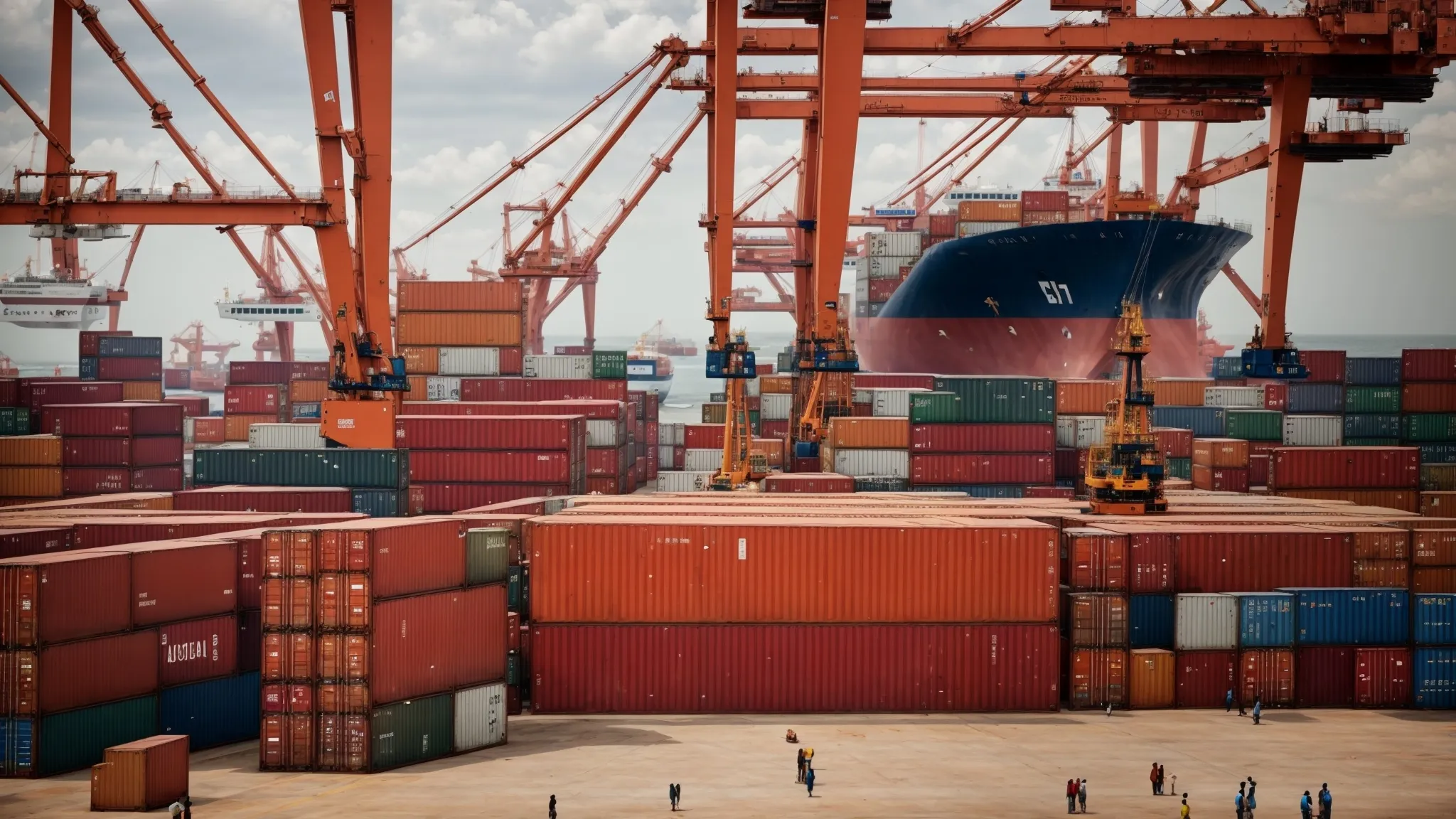
The establishment of the African Continental Free Trade Area (AfCFTA) heralded a new era for economic collaboration across Africa, propelling nations toward a horizon of bolstered intracontinental commerce and integrated regional economies. The negotiation of the African Continental Trade Agreement was a significant milestone in this process.
As policymakers and business leaders align their strategies with the objectives of AfCFTA, scrutiny of trade volume shifts post-implementation emerges as critical to measure the arrangement’s effectiveness.
Insights gained from the investigation into nascent trade corridors and alliances further illuminate the evolving commercial landscape.
Meanwhile, the alleviation of both tariff and non-tariff impediments remains a focal point for assessing the ease with which goods now flow across African borders.
These elements combined offer a comprehensive understanding of how AfCFTA is shaping the continent’s trade dynamics.
Examining Trade Volume Changes Since AfCFTA Implementation
Post-implementation data reveals a palpable uptick in commerce among participating AfCFTA nations, with several witnessing a marked increase in export volumes:
- Trade statistics highlight the strategic re-routing of exports to favor continental partners over traditional overseas markets.
- Emerging trends underscore the significance of value addition within Africa, strengthening the commodity chains within the continent.
- Attention is drawn to the expansion of service sector trade, as nations seek to diversify economic activities in line with new market accessibility.
Sierra Leone, among other member countries, reports buoyancy in its trade ecosystem, reflecting the promise of a united economic front through the AfCFTA agreement.
Identifying New Trade Routes and Partnerships Formed
With the dawn of AfCFTA, novel trade pathways crisscross the African continent, connecting hubs of production with new markets eager for goods and services. Nations once on the periphery of trade negotiations now find themselves at the heart of blossoming commercial partnerships, paving the way for increased economic interdependence.
Sierra Leone exemplifies the transformative power of these emerging trade networks, leveraging its strategic position and resources to forge alliances with neighboring countries. These partnerships propel sectors such as agriculture and mining into regional spotlights, fostering a collaborative economic environment ripe for investment and growth.
Assessing the Reduction in Tariff and Non-Tariff Barriers
Under the auspices of the AfCFTA, member states have committed to a considerable reduction in tariffs, some of which are phased out completely, leading to more competitive pricing for locally produced goods. This pivotal move strips away previous financial burdens, shackling intracontinental trade, granting producers access to wider markets while cultivating a fertile environment for small and medium-sized enterprises to thrive.
The collaborative effort to dismantle non-tariff barriers presents a further boon to trade facilitation within Africa. Streamlined customs procedures and harmonized standards reduce bureaucratic red tape, ushering in a swifter, more efficient exchange of goods. These endeavors not only simplify cross-border transactions but also signal a collective stride toward a unified economic framework designed to boost enterprise efficiency and consumer access throughout the continent.
Assessing AfCFTA’s Role in Facilitating Industrial Development

The African Continental Free Trade Area (AfCFTA) stands as a beacon of hope for industrial transformation across the continent, where nations eagerly anticipate the ripple effects of bolstered industrial capacities. The African Union, through the AfCFTA Secretariat, plays a crucial role in negotiating and implementing this historic Africa Free Continental Trade Area.
With its promise to facilitate smoother regional interactions, it is essential to shine a light on how it stimulates industry-level advancements and nurtures economic diversification.
The ensuing discourse will explore the augmentation of regional value chains, a phenomenon spurred by the agreement, and scrutinize the efficacy of policies aimed at accelerating industrial development.
Central to this narrative is the role AfCFTA plays in orchestrating a landscape where industries can flourish, innovate, and contribute significantly to sustainable economic progress.
Spotlighting Industrial Growth and Diversification Efforts
The African Continental Free Trade Area presents an auspicious platform for industrial expansion, fostering diverse production lines extending beyond traditional sectors. With initiatives designed to amplify manufacturing prowess, nations are witnessing the birth of industry clusters that stand to dramatically alter the region’s economic composition and reduce its dependence on raw material exports.
- As supported by AfCFTA, industrialization strategies fuel technological adoption and innovation, setting the stage for competitive manufacturing sectors.
- Through shared expertise and resources among member states, new industries emerge, broadening the economic landscapes of countries such as Sierra Leone, known for its rich mineral base.
- The infusion of local and international investment is accelerated by the trade agreement, catalyzing the development of vibrant industrial parks and special economic zones.
Moreover, AfCFTA’s blueprint for growth includes the advancement of regional value chains that enhance the capacity for diversification, empowering African economies to climb the ladder of complexity in manufacturing and services. Policies tailored to nurture skill development and improve labor productivity are in sync with these efforts, crucial ingredients for sustainable industrial development.
Exploring the Rise of Regional Value Chains
The African Continental Free Trade Area kindles a transformative shift in the internal dynamics of trade by fostering a network of regional value chains. This process involves the intertwining of supply chains across multiple African economies, optimizing the production process by leveraging local competencies and raw materials.
Spearheaded by the principles of AfCFTA, nations are collaborating to create a more localized system of production-to-market streams, manifesting in increased trade efficiency and higher quality outputs. Sierra Leone’s expanding role in such networks exemplifies a broader continental trend, thereby reinforcing the country’s economic footprint on the regional stage.
Evaluating Policies Supporting Industrialization Under the AfCFTA
The African Continental Free Trade Area has catalyzed a suite of policy reforms aimed at underpinning industrialization. Member states are reformulating regulatory frameworks to foster an enabling environment where industries can gain momentum and scale effectively.
Complementing these regulations are tailored incentive programs designed under the AfCFTA umbrella. These incentives aim to entice both regional and foreign investors, providing the necessary capital infusion to elevate manufacturing and industrial service sectors across the continent.
Boosting Small and Medium Enterprises (SMEs) Through AfCFTA

The African Continental Free Trade Area (AfCFTA) represents a pivotal milestone in Africa’s economic narrative, offering a beacon of opportunity for small and medium enterprises (SMEs) and stakeholders to scale new heights of success.
By understanding the intricacies of AfCFTA’s provisions tailored to bolster SMEs, entrepreneurs can capitalize on an environment primed for growth.
Inspiring success stories have already begun to surface, painting a picture of what is possible when small businesses harness the expanded marketplace AfCFTA provides.
Peering into the future, these enterprises stand to become cornerstone contributors to an integrated African economy, galvanized by the framework’s support mechanisms.
Understanding AfCFTA Provisions for SME Support
The African Continental Free Trade Area (AfCFTA) infrastructure lays a robust foundation for small and medium enterprises to gain a foothold in larger markets. Specific provisions target the eradication of prohibitive tariffs and offer streamlined cross-border processes, enabling SMEs to amplify their outreach and enhance their competitive edge:
| Facet of Support | Details |
|---|---|
| Tariff Reduction | Lowered costs for SMEs when importing or exporting goods within AfCFTA member states |
| Cross-Border Trade Facilitation | Simplified procedures and documentation for SMEs to access regional markets |
Additionally, the AfCFTA framework champions capacity-building initiatives that equip SMEs with the skills and knowledge essential for leveraging new market opportunities. By tapping into these support programs, businesses are better positioned to contribute to the continent’s burgeoning economic narrative.
Success Stories of SME Expansion Post-AfCFTA Enactment
The African Continental Free Trade Area has ushered in a tide of transformative success for SMEs, nurturing ground-breaking ventures into fruition. In Sierra Leone, a local agribusiness has expanded its client base significantly, exporting processed food items to neighboring countries with newfound ease:
- The company streamlined its export logistics, taking advantage of AfCFTA’s simplified trade regulations.
- Collaborative partnerships with distributors in adjacent markets were established, extending the brand’s reach.
- Growth in regional demand led to the scaling up of production facilities, generating additional employment opportunities within the local community.
Another account of AfCFTA’s positive impact surfaces in a tech startup that has bridged the digital divide by offering innovative solutions across the continent. This firm capitalized on reduced barriers to service trade, drawing on the power of cross-border collaboration to propel its growth trajectory:
Future Prospects for SMEs in the AfCFTA Framework
The outlook for SMEs operating under the AfCFTA framework remains promising, with expectations of a more inclusive growth trajectory across the continent. Enhanced market access offers these enterprises the platform to scale operations, integrate into regional value chains, and tap into a burgeoning consumer base hungry for innovation and diversity in products and services.
Concurrently, the concerted effort to fortify digital infrastructure within the AfCFTA space bodes well for SMEs, as the digital economy emerges as a conduit for market expansion and integration. This trend places tech-savvy enterprises in an advantageous position to exploit digital platforms for trade facilitation, amplifying their regional impact and fostering alliances beyond their immediate geographic confines.
The AfCFTA and Its Contribution to Economic Integration

The African Continental Free Trade Area (AfCFTA) symbolizes a significant stride toward economic integration, serving as a catalyst for unprecedented collaboration between African nations.
Its establishment is poised to streamline a multitude of industries, allowing goods, services, and resources to traverse borders with greater efficiency.
This strategic move promises to merge the diverse fiscal landscapes of Africa into a singular, powerful bloc with the potential to redefine international trade relations.
In exploring the different junctures of economic cohesion achieved under the AfCFTA umbrella, success stories from regions that have reaped the benefits of integration offer insightful lessons for African Union stakeholders.
The contrast between anticipated outcomes and the tangible results obtained thus far provides a rich narrative on the complexities of achieving economic unity amidst varied developmental stages and capabilities.
Reviewing the Stages of Economic Integration Within AfCFTA
The implementation of the African Continental Free Trade Area precipitates a progressive journey through various degrees of economic unification among African nations. Initially, the focus centers on eradicating trade barriers and creating a common market poised to streamline the flow of products and services.
Subsequently, advancements are geared toward the formation of a customs union, enabling the adoption of a unified external tariff system against non-AfCFTA countries, thus orchestrating a harmonized trade policy across the continent. This vital transition seeks to solidify economic integration and set the stage for the establishment of a comprehensive African Economic Community.
Case Studies of Successful Regional Integrations
A glance at East Africa demonstrates the fruits of regional integration, with the East African Community (EAC) exemplifying the symbiotic economic advances achievable under AfCFTA-like collaboration. By unifying their customs protocols and enhancing infrastructural connectivity, nations within the EAC have reported an upsurge in intraregional trade and investments, setting a benchmark for AfCFTA’s potential across the entire continent.
Another embodiment of integration success is seen through the Economic Community of West African States (ECOWAS). Entrepreneurs in the region, including those from Sierra Leone, have partaken in a flourishing cross-border commerce environment fostered by the adoption of a common currency and harmonized trade legislations, providing a preview of the economic synergy envisioned under AfCFTA’s expansive framework. Stakeholders in the African Union are also closely monitoring these developments.
The Expectations Versus Reality of Economic Unity
The vision for the African Continental Free Trade Area encompassed a seamless economic tapestry uniting the myriad markets of Africa under a single banner, a goal envisaged to foster prosperity through shared wealth and collaboration. Expectations soared with the promise of an integrated market, wherein goods and services would move uninhibited, bolstering the intra-African trade and propelling the continent toward a new era of economic success.
Contrasts between anticipated and actual outcomes frequently punctuate the journey of the AfCFTA, as practical challenges temper the lofty aspirations of a borderless economic community. While some nations have made significant strides in harmonizing policies and streamlining cross-border activities, the reality reveals a mosaic of progress where disparities in infrastructure, governance, and resource allocation often dictate the pace and scale of realized economic unity.
Strengthening Infrastructure for Sustainable Growth Under AfCFTA

The African Continental Free Trade Area (AfCFTA) ushers in an epoch of economic renewal, yet its success hinges on a robust infrastructure network that undergirds the anticipated trade expansion. The African Union and its committee on the African Continental Trade Agreement (AfCFTA) have played a crucial role in negotiating and establishing the Africa Free Continental Trade Area. This historic endeavor has garnered global attention and support, as evidenced by speeches and publications from various authors and organizations, including the World Trade Organization. The AfCFTA Secretariat, led by Wamkele Mene, is responsible for coordinating the implementation and monitoring of trade liberalization activities, along with engaging with regional economic communities and ensuring effective supply chain integration. The events taking place in Accra mark significant milestones towards realizing the full potential of the AfCFTA.
An integrated infrastructure is the cornerstone for sustainable growth and the seamless flow of goods, services, and people required to fulfill the initiative’s vast potential.
Identifying and executing critical infrastructure projects has become a priority, with investment growth serving as a barometer for the pledge of AfCFTA-induced progress.
Collaborative efforts among African nations are imperative to upgrade and harmonize cross-border infrastructure, ensuring the vision of AfCFTA materializes into tangible benefits for all member states.
Identifying Critical Infrastructure Projects Linked to AfCFTA
Progress on the African Continental Free Trade Area relies heavily on pinpointing and initiating key infrastructure projects. Transportation networks, including roads, rail, and ports, are earmarked for enhancement, creating the arteries of commerce vital for the freer movement of goods and people across the continent.
Energy projects, especially those focusing on renewable sources, are also identified as instrumental in powering the new wave of industrial and technological advancements encouraged by the AfCFTA. These initiatives are set to establish a sustainable energy grid that will fuel member economies’ long-term growth and resilience.
Measuring the Infrastructural Investment Growth
Esteemed frameworks of analysis reveal concurrent investment surges in infrastructure across nations under the AfCFTA. Sierra Leone’s transport sector has observed heightened capital influx, signaling a commitment to intracontinental trade fluidity and enhanced connectivity.
The intensity of infrastructure investments reflects a deliberate stride toward actualizing AfCFTA’s vision, with the substantially increased funding streams setting the development of cross-border networks in motion. These investments serve as concrete indicators of member countries’ dedication to fostering a conducive environment for sustained economic expansion under the trade agreement.
Collaborations Between African Nations for Infrastructure Development
Collaborative infrastructure projects have emerged as a lynchpin in the quest for a cohesive, continent-wide economic resurgence under the aegis of the African Continental Free Trade Area. African nations are joining forces, mobilizing resources and expertise to initiate strategic developments that bridge the gaps in regional connectivity and lay the groundwork for unfettered trade and mobility.
These joint efforts exemplify the spirit of unity and shared vision that the AfCFTA champions, with cross-border undertakings, including the harmonization of telecommunications and digitalization efforts, aimed at establishing a contiguous digital trade platform. This cooperative approach ensures a heightened level of interactivity amongst member states, fostering a trade ecosystem that is resilient, adaptive, and primed for the digital age.
Empowering Women and Youth With the AfCFTA Initiative

The African Continental Free Trade Area offers more than a mere expansion of markets and reduction of trade barriers; it represents a beacon of empowerment for demographics traditionally marginalized in the economic sphere. The African Continental Trade Agreement negotiations led by the African Union and events held by the AFCFTA Secretariat in Accra drive trade liberalization and foster regional economic communities. This landmark agreement, spearheaded by Wamkele Mene, the Secretary-General of the AfCFTA, is set to transform the supply chain and enhance economic opportunities for the African population. The speeches and publications by various authors and the work of committees within the Secretariat further highlight the significance and potential of the AfCFTA in promoting regional integration and economic growth.
Specific policies crafted under the umbrella of AfCFTA place women and youth at the center of inclusive growth—a vision with the potency to reshape the continent’s socio-economic fabric.
Acknowledging the unique challenges and untapped potential of these groups sparks a valuable investigation into how engagement in trade can drive personal development and broader societal advancement.
This conversation will uncover how initiatives within the AfCFTA framework are tailored to harness the dynamism of Africa’s women and youth, setting the stage for enrichment programs that strive for equity and sustainable prosperity.
Analyzing Policies Aimed at Inclusive Growth
Within the framework of the African Continental Free Trade Area, a suite of policies has been formulated with the intent to dismantle the barriers impeding the economic participation of women and youth. These strategies aim to level the economic playing field, offering support mechanisms such as access to funding, business training, and mentorship programs geared towards the development of female and youth entrepreneurship.
The enactment of policies under the AfCFTA that advocate for gender parity and youth inclusion reflects a progressive approach to shaping a more equitable future for African economies. Anchoring on empowerment, these initiatives recognize the intrinsic value that women and youth bring to the table, fostering a culture of inclusivity that is pivotal for sustainable economic growth and innovation.
Tracking the Engagement of Women and Youth in Trade
Engagement trends indicate a surge in entrepreneurial endeavors among women and youth within the member nations of the AfCFTA. The trade pact has enabled these emerging business leaders to carve out new niches in the marketplace, fostered by increased access to regional networks and consumer bases.
Proactive participation among these demographics reflects a growing confidence steered by the AfCFTA’s progressive stance on inclusive trade policies. Vigorous involvement in sectors such as digital technology and agribusiness underscores a significant shift towards diverse economic contributions from women and young entrepreneurs.
Future Programs to Harness the Potential of These Demographics
Anticipating the unfolding chapters of the AfCFTA initiative, there is a palpable energy towards formulating future programs specifically designed to nurture the aspirations and talents of women and youth across the continent. These programs, earmarked to roll out progressively, aim to mold a robust landscape where emerging entrepreneurs and innovators can thrive and contribute meaningfully to Africa’s burgeoning economic narrative.
- Programs will focus on enhancing digital literacy, ensuring women and young minds are equipped to navigate the evolving tech-driven market.
- Incubation centers are set to emerge, offering young entrepreneurs professional guidance, financial literacy workshops, and networking opportunities.
- Grant schemes and microfinance opportunities will be expanded, tailored to empower women business owners in overcoming economic hurdles.
Such deliberate and strategized initiatives are at the core of AfCFTA’s dedication to inclusive growth, positioning women and youth not merely as beneficiaries but as driving forces of the continent’s economic transformation. Integration of these demographic groups into the broader market systems will serve as a testament to the initiative’s success in fostering lasting, equitable development.
Frequently Asked Questions
How does the African Continental Free Trade Area (AFCFTA) impact trade between African countries?
The African Continental Free Trade Area (AfCFTA) presents an unprecedented opportunity for African countries to elevate intercontinental trade by reducing tariffs and dismantling barriers, thereby fostering more efficient, expansive trade networks across the continent. Member nations, including Sierra Leone, stand at the brink of economic transformation, as this initiative seeks to stimulate trade flows, enhance competitiveness, and encourage a shift towards market integration and economic diversification.
What role does AfCFta play in fostering industrial development across Africa?
The African Continental Free Trade Area, commonly referred to as the AfCFTA, acts as a pivotal catalyst for industrial development throughout the African continent by reducing trade barriers and fostering a more unified market. With its emphasis on facilitating smoother intercontinental commerce, the AfCFTA paves the path for economies such as Sierra Leone to boost their manufacturing sectors, leverage economies of scale, and tap into a wider network of regional value chains.
How does AFCFTA benefit small and medium enterprises (SMEs)?
The African Continental Free Trade Area, known as AfCFTA, stands as a beacon of economic hope, presenting a multitude of advantages for Small and Medium Enterprises (SMEs). Fostering a more integrated market reduces trade barriers, enabling SMEs to expand their market reach and tap into a wider network of consumers across Africa.
Under the umbrella of AfCFTA, businesses previously confined by national borders are now witnessing a dramatic shift. The pact paves the way for smoother, more cost-effective transactions and encourages a vibrant exchange of goods and services. SMEs benefit from exposure to diverse markets and a broadened customer base, which could potentially lead to increased sales and growth opportunities.
Several Considerations
One should consider the historical context of commerce in Africa, where smaller economic entities often face cumbersome trade regulations and high tariffs. With AfCFTA’s promise to eliminate a substantial portion of these barriers, SMEs find a more level playing field. This translates to reduced costs and enhanced competitive capability, particularly significant for nations like Sierra Leone, whose burgeoning SMEs gain the chance to ascend to new commercial heights.
Furthermore, AfCFTA kindles innovation by presenting heightened competition, urging enterprises to improve their offerings to meet regional standards. This compels SMEs to pursue higher quality standards, adopt new technologies, and optimize operations, thus improving their overall marketability and sustaining their economic vitality.
- Streamlined trade regulations simplify cross-border business activities.
- Access to a continental market enlarges the customer pool and increases potential revenue.
- Reduction of tariffs and non-tariff barriers slashes operational costs and boosts profitability.
- Encouragement of innovation and quality upgrades as a reaction to a more competitive market.
Support mechanisms within AfCFTA also include initiatives aimed at enhancing trade-related infrastructures. These facilitate easier logistics and transportation, ensuring that products manufactured by SMEs can traverse the continent with greater efficiency, thus potentially accelerating delivery times and improving customer satisfaction.
Empowerment emanates from knowledge and capacity-building offered under the trade agreement, assisting SMEs in navigating the complexities of regional and international trade. Training and resources provided as part of AfCFTA enable small business owners to better understand trade protocols, leverage new technologies, and implement best practices for expanding their enterprise’s horizons.
Finally, it’s essential to recognize the role AfCFTA plays in influencing policy reforms conducive to SME development. Governments partaking in the agreement become more attuned to the needs of smaller businesses, fostering an environment ripe for innovation, investment, and inclusive growth—where every entity, regardless of size, has the opportunity to thrive in an evolving African economy.
In what ways does A contribute to economic integration in Africa?
The African Continental Free Trade Area (AfCFTA) fosters economic integration across the continent by eliminating tariffs on intra-Africa trade, which encourages the flow of goods and services among member nations. It also harmonizes economic policies and regulations, laying the groundwork for a unified market that facilitates business and investment opportunities for African countries.
How does the AFfcfta initiative strengthen infrastructure to support sustainable economic growth?
The African Continental Free Trade Area (AfCFTA) initiative propels infrastructure development to bolster sustainable economic growth by incentivizing cross-border investments and harmonizing regulatory standards for infrastructure projects. Through efforts such as enhancing connectivity, easing trade barriers, and fostering collaborative regional policies, AfCFTA serves as a catalyst for the strategic deployment of infrastructure assets across the continent.
Conclusion
The African Continental Free Trade Area (AfCFTA) stands as a monumental initiative in stimulating economic expansion across the African continent.
By nurturing intracontinental trade and forging dynamic commercial partnerships, AfCFTA has markedly increased trade volumes, diversifying economies beyond raw material exports.
It eradicates tariffs and non-tariff barriers, facilitating the free movement of goods and catalyzing industrial development.
The agreement fosters the rise of regional value chains, optimizes production, and attracts investment, thereby nurturing industrial growth.
Small and medium enterprises (SMEs) benefit significantly from reduced trade costs and enhanced market access, promising a more inclusive economic growth trajectory.
The AfCFTA also advances economic integration, potentially transforming Africa into a unified economic bloc and accelerating the region’s global trade influence.
However, the success of this ambitious project depends heavily on developing comprehensive infrastructure and encouraging collaborations among member states, as these steps are vital for creating the seamless flow of commerce needed to realize AfCFTA’s full potential.
Additionally, by strongly emphasizing inclusive growth, AfCFTA prioritizes empowering women and youth through dedicated policies, aiming to ensure that they are critical drivers of the continent’s economic transformation.
Thus, the African Continental Free Trade Area embodies the collective aspiration for a prosperous, interconnected, and equitable Africa, poised to create sustainable development and wealth for all its nations. To learn more on how you can navigate multilateral treaties or bilateral agreements, visit Investment Treaties: A Guide For Investors – Transnational Matters